Close to Home
Macy Deaton’s Path to Nursing is Rooted in Reducing Barriers
By Sam Rizzo
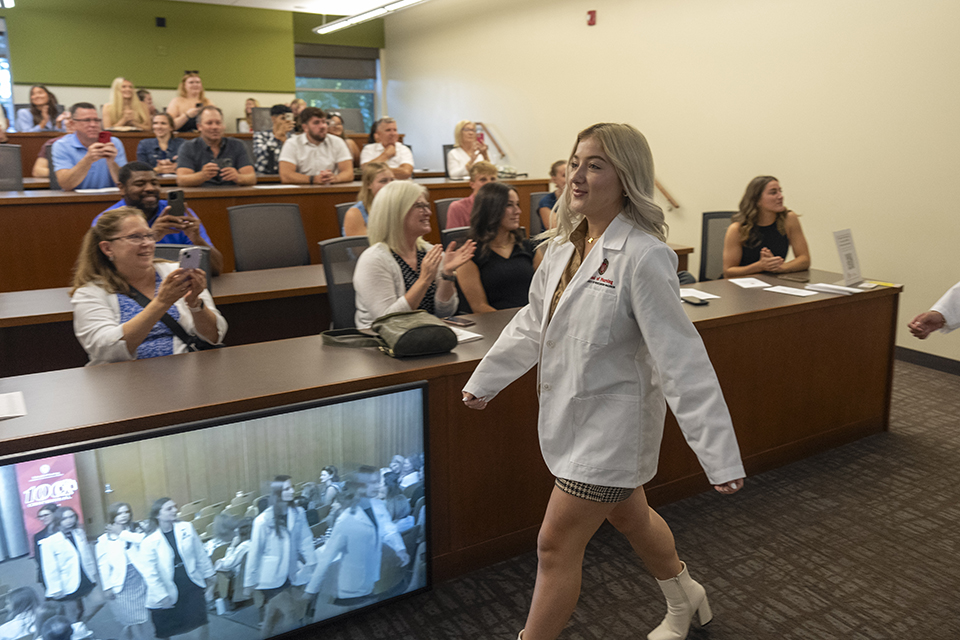
For Macy Deaton ’26, nursing was never just about choosing a career, it was about responding to a community need. “Growing up in Crandon, we always had very limited access to proper health care,” Deaton said. “That really shaped my desire to go into nursing and health care in general.”
Crandon is a rural community in the northeast part of Wisconsin with a population of about 1,700 at the 2020 census. The small community is located about 100 miles north of Green Bay in the Northwoods. It is part of Forest County, which is also home to two primary federally recognized tribes: the Forest County Potawatomi Community, and the Sokaogon Chippewa Community.
Growing up in a rural community, and near two tribal nations, gave Deaton an early understanding of how uneven access to care can be. She recalls how distance from hospitals, limited transportation options, and a lack of specialty services affected families across the region. The nearest hospital from Crandon is nearly 40 minutes away. In addition, opportunities to explore careers in health care are often limited. For nearby Native American communities, access challenges have long been compounded by systemic inequities.
“That environment really highlighted how significant inequities in access are,” she said. “During COVID, I saw how hard Native communities were hit. Friends lost close family members because of those inequities in care.”
Those experiences shaped how Deaton understands the role of nurses in addressing health disparities. Rather than seeing health equity as an abstract concept, she sees it as something rooted in place, people, and relationships. “Not everybody has the same access to care,” she said. “That inspired me to want to be a more equitable health care provider and help reduce those barriers.”
Not everybody has the same access to care. That inspired me to want to be a more equitable health care provider and help reduce those barriers.
Expanding Care to Fill the Gaps
When an opportunity arose to provide specialty care to members of her community during the fall in a clinical setting close to home, she was eager to sign up. The opportunity provided Deaton with the chance to return home to volunteer for a partnership that she says can greatly address health disparities for communities in her region.
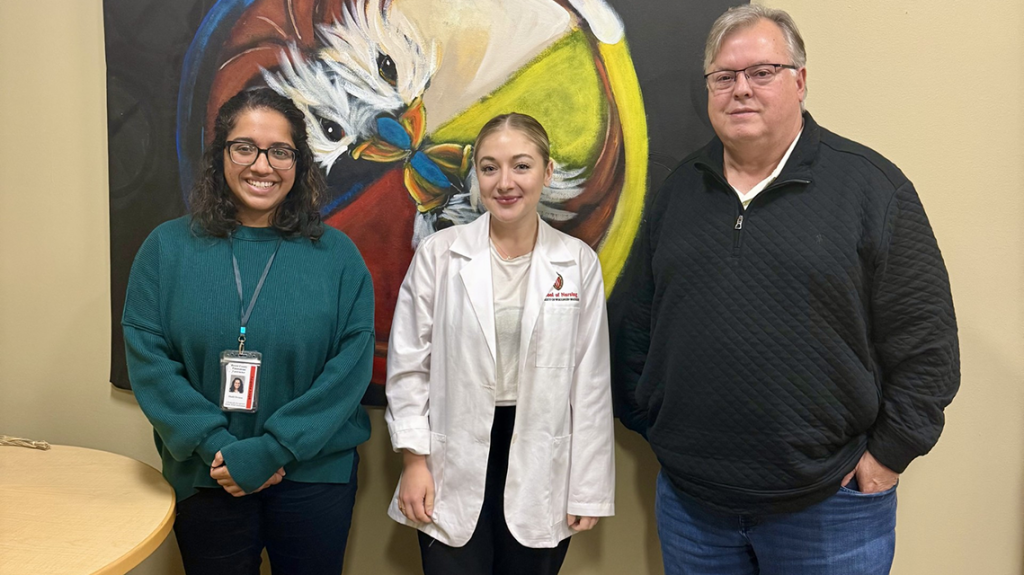
Working alongside UW Health cardiologist Anupama Joseph, MD, Deaton helped support the expansion of preventative cardiovascular services at the Potawatomi Health and Wellness Clinic in Crandon through an initiative that provided early cardiovascular risk factor screening. The initial screenings, which took place in November 2025, marked the first time cardiac specialty care has been integrated into the clinic, helping address needs that Deaton notes can have an impact on future generations.
“There aren’t specialists available locally,” Deaton said. “Having someone with Dr. Joseph’s expertise, even part‑time, makes a huge difference.”
Modern medicine often overlooks the fact that not everyone interprets healing in the same way. This clinic creates space for Native healing traditions alongside modern medical care.
The opportunity to work with Dr. Joseph for the risk factor screenings emerged through campus connections, but the project itself has been years in the making. Dr. Joseph has been working to expand preventive cardiology services for Indigenous communities across Wisconsin, where cardiovascular disease rates are disproportionately high.
Rather than establishing a new clinic, the efforts have focused on strengthening the existing Potawatomi Health and Wellness Clinic by opening a cardiac‑specific service area. Deaton joined Dr. Joseph during clinic visits in November, gaining valuable experience helping develop clinical protocols that guide how early heart disease screenings are conducted in a primary care setting.
The experience has helped strengthen her knowledge of working with multidisciplinary teams. Deaton explained that the project currently involves a network of various Forest County Potawatomi employees as well as a group of health professionals. She also notes that a long‑term goal of the initiative is to expand access further to include physicians, nurses, pharmacy, and other traditional/spiritual healers from Indigenous culture. The potential to expand clinical offerings to provide better quality care to the community she grew up in holds a lot of value for her.
“My biggest hope is that the clinic can eventually have permanent cardiac specialists,” Deaton said. “Not just one, but multiple providers who can continue increasing access to care.”
Care that reflects the community
Beyond access, Deaton emphasized that how care is delivered matters just as much as where. She describes the clinic’s approach as intentionally culturally congruent, recognizing that healing is understood differently across communities. “Modern medicine often overlooks the fact that not everyone interprets healing in the same way,” she said. “This clinic creates space for Native healing traditions alongside modern medical care.”
For Deaton, one of the most meaningful aspects of the experience was listening to patients’ stories and learning directly from community members. She sees that exchange as essential to building trust and improving outcomes.
Deaton also recognizes that improving health outcomes in rural communities requires more than expanding access to care. Growing up in a place where opportunities to explore careers in health care were limited, she understands how important exposure to different health care professions can be. Those early experiences can help young people see themselves reflected in the providers and leaders shaping care in their communities.
“I hope the clinic creates more mentors for Native students who want to go into medicine and serve their communities,” she said. “It can help strengthen families and keep cultural traditions alive.”
I would encourage students to bring what they learn here [at the School of Nursing] back to underserved communities. Rural populations need Badger nurses.
Preparing nurses to serve their communities
Deaton’s involvement reflects a broader commitment by the School of Nursing to encourage its students and graduates to partner with communities across Wisconsin and beyond to improve health outcomes, and she credits her nursing education with preparing her to engage in this work thoughtfully and respectfully, allowing her to step into a real-world clinical setting with confidence. Coursework on underserved populations and culturally informed care provide a foundation, while events focused on Indigenous health, such as the Native Nations Nursing, Helpers, and Healers Summit, deepened her understanding.
“For students who didn’t grow up learning about different tribes, those experiences were really impactful,” she said. “It also made me realize how much cultural knowledge matters in providing good care.”
That preparation reflects the School of Nursing’s mission to educate nurses for the future of care in ways that extend beyond campus walls. By placing students in community settings, the School helps build a workforce prepared to meet Wisconsin’s diverse health needs.
Looking ahead
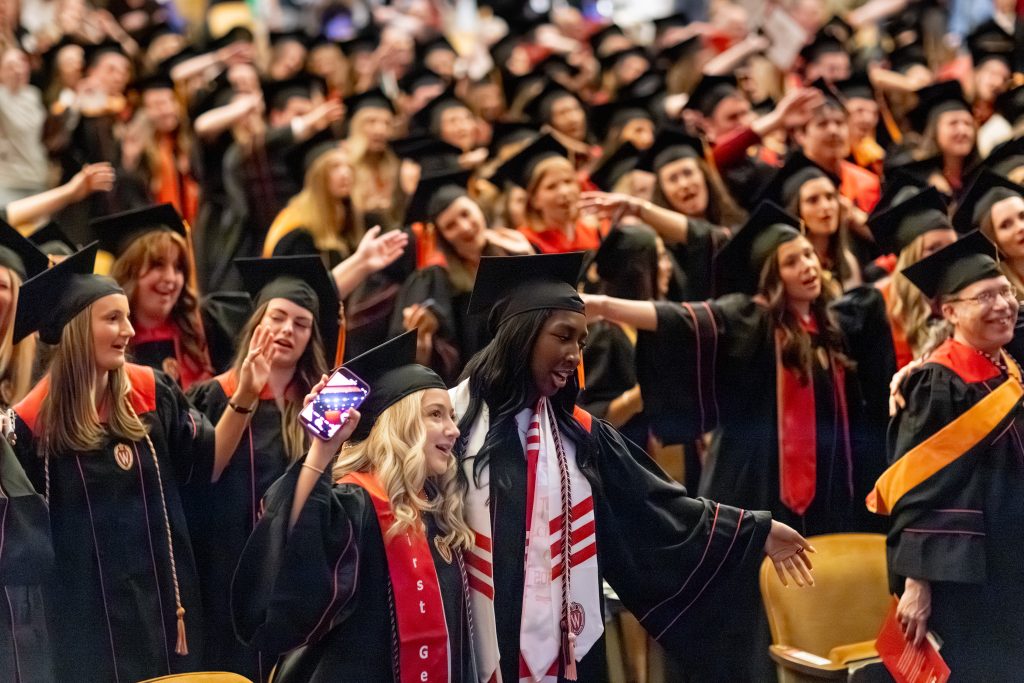
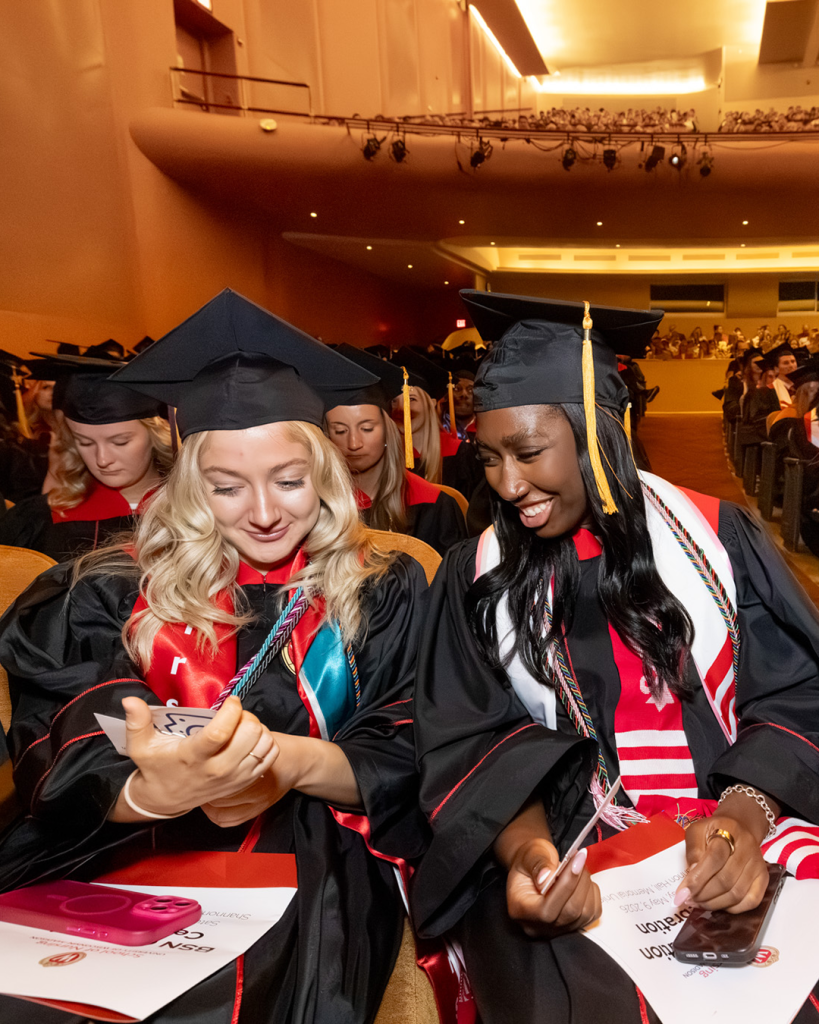
Deaton is quick to recognize that her involvement at the Potawatomi Health and Wellness Clinic was more than just giving back to her community, it was an opportunity to help build a model of care rooted in respect, prevention, and collaboration. Truly the Wisconsin Idea in action, Deaton is using her UW–Madison nursing education to improve lives in the state of Wisconsin. Now that she has graduated from the School’s traditional bachelor of science in nursing program, she will take that philosophy one step further with plans to pursue a nursing career outside the state of Wisconsin. No matter the location, Deaton plans to continue to use her nursing practice to address health disparities and improve health equity in underserved populations.
She hopes her experience volunteering to improve access to cardiovascular health care in a rural setting encourages other Badger nursing students to pursue similar opportunities. “I would encourage students to bring what they learn here [at the School of Nursing] back to underserved communities,” she said. “Rural populations need Badger nurses.”