Doctor of Philosophy in Nursing (PhD)
Where we advance compassionate care through cutting-edge research
Shape the Future of Nursing
At the UW–Madison School of Nursing, you will join one of Wisconsin’s top nursing research institutions and improve health care across the state and beyond. You will work with renowned faculty, receive personalized mentorship, and build foundational knowledge and skills for research design, grant writing, and dissemination and implementation of research findings.
Join us and become a leader in nursing research.
Priority Application Window: September-December 1
Applications accepted through March 1
Take Your Next Step
PhD in Nursing Points of Pride
2-5
Students per faculty mentor
100%
Tuition remission with graduate assistantship
*not including segregated fees
85%
Students with postdocs or faculty positions at graduation
5th
nationally ranked research institution, according to National Science Foundation’s Higher Education Research and Development Survey
Yes, we offer 100% funding—here’s how!
Our Signature Research Areas
We believe that nursing is a powerful instrument for improving the human condition. Researchers at the UW–Madison School of Nursing investigate, innovate, collaborate across disciplinary boundaries, and translate research into effective solutions for real world application.
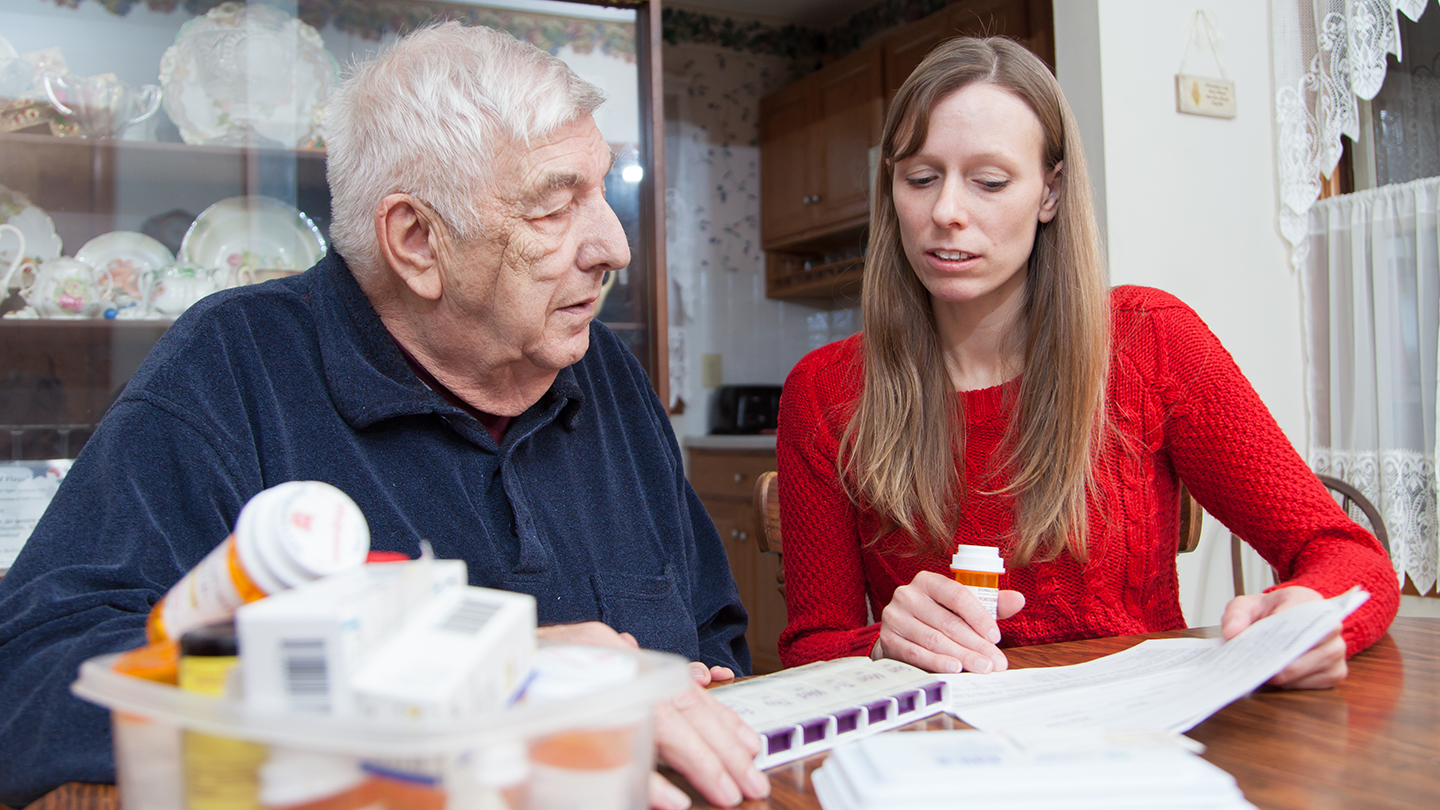
Aging Care and Outcomes for Older Adults
Our faculty are committed to transforming care for older adults by advancing research that improves health outcomes, enhances quality of life, and supports equitable, person-centered care for older adults. Their work addresses the complex needs of aging populations and their caregivers through innovation, systems redesign, and a deep understanding of the biological, social, and environmental factors that shape aging experiences.
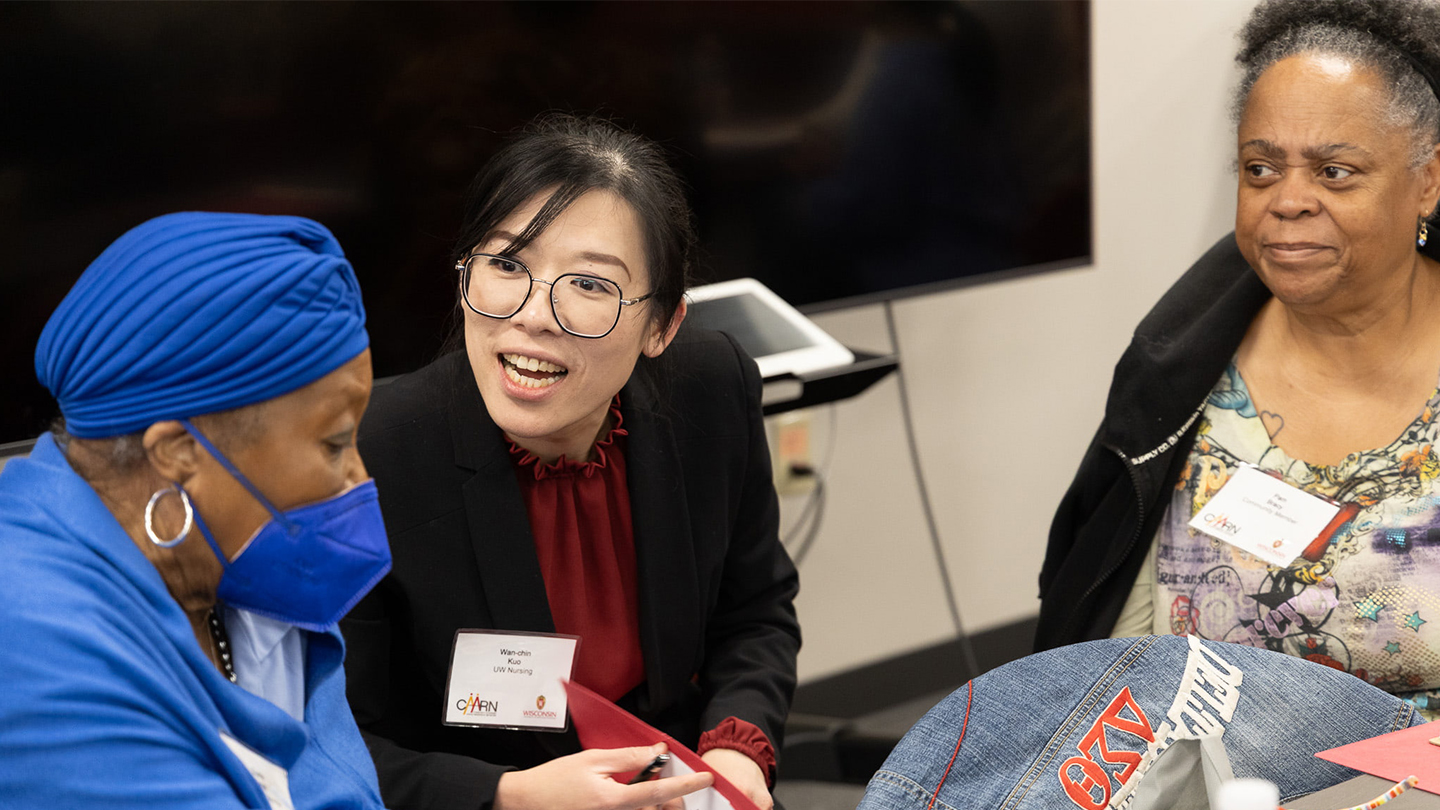
Community Engagement and Partnerships
Our faculty foster authentic community partnerships to advance research that optimizes health and well-being across the lifespan. Their work is grounded in an inclusive approach that builds trust to create and sustain authentic relationships with communities.
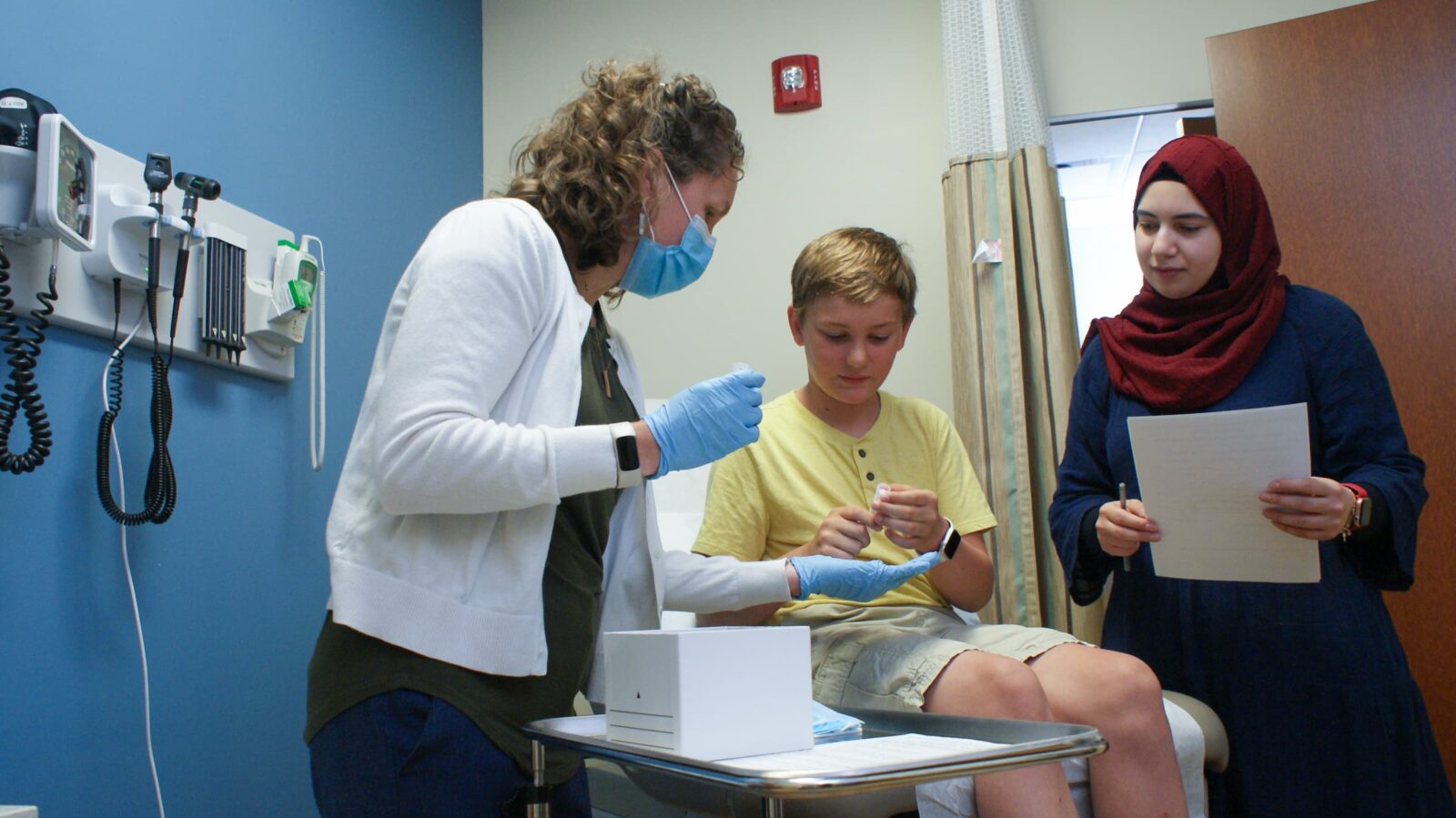
Health and Well-Being of Children and Families
Our faculty research promotes the health and well-being of children, families, and reproductive populations across the lifespan. Their work seeks to optimize health, reduce disparities, and develop innovative approaches to care to support individuals and families during critical developmental stages.

Health Equity and Social Justice
Our faculty conduct research to advance health equity and social justice across the lifespan by investigating the social, structural, and planetary determinants of health. Their scholarly work seeks to dismantle systemic barriers to health and well-being, promote inclusive and just health systems, advance policy, and optimize health outcomes for individuals, families, communities, and populations.
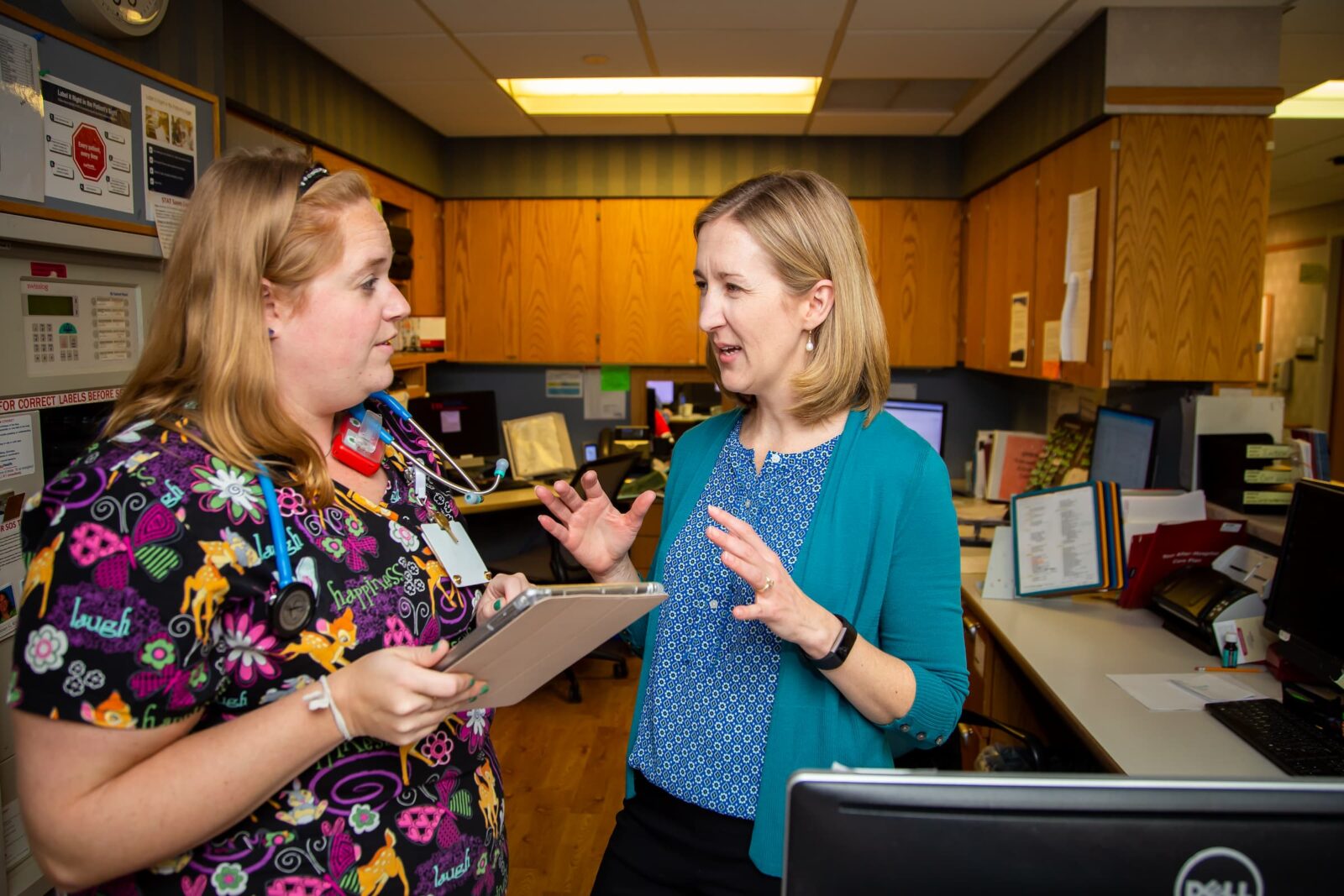
Health Systems: Data Science, Design, and Implementation Science
Our faculty research advances knowledge regarding health systems and services to improve health and care delivery outcomes across organizational and public health contexts. Their research transforms health systems through the integration of data science and informatics, human-centered design, and implementation science, with a shared commitment to innovation and health equity.
Mental, Psychosocial, and Behavioral Health and Well-Being
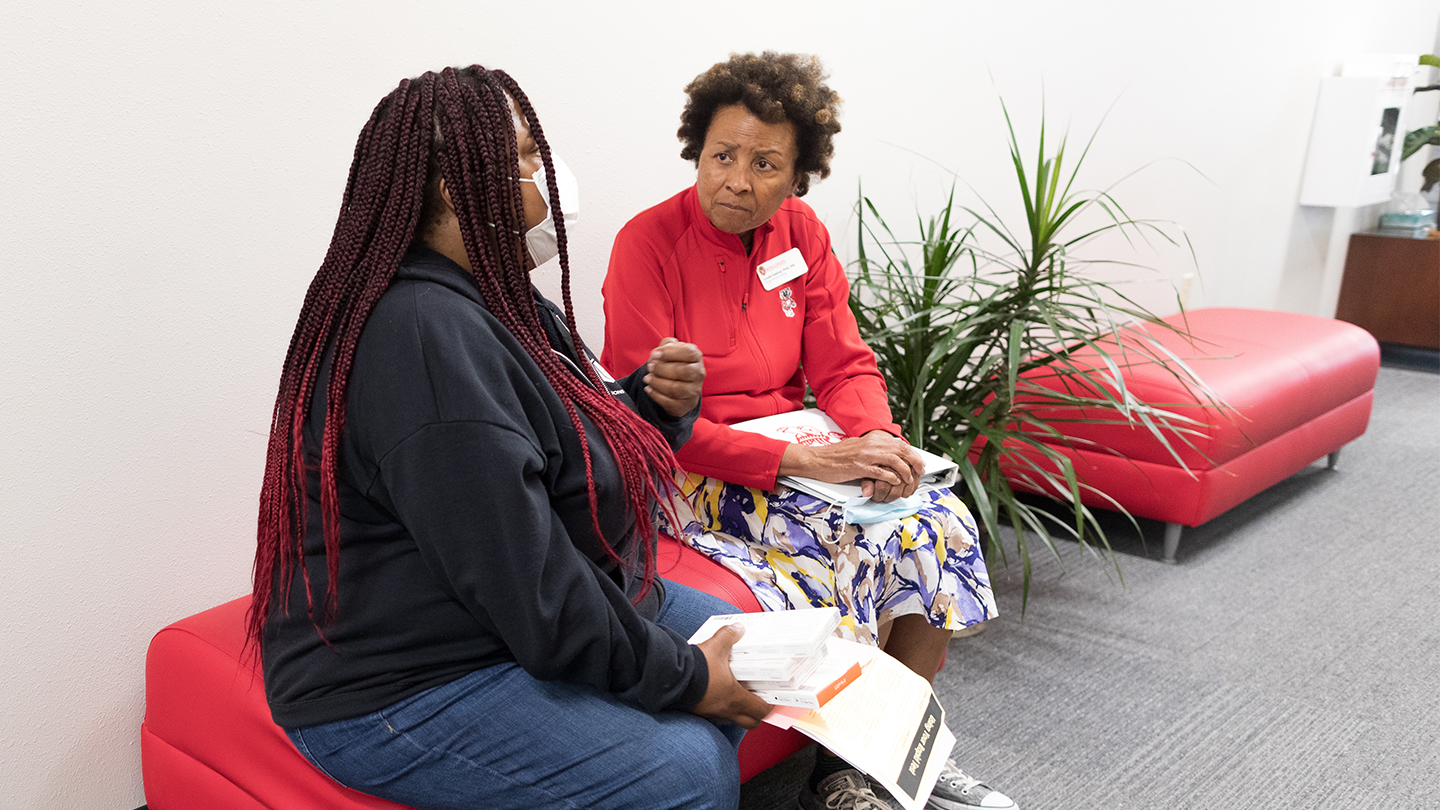
Our faculty research promotes mental, psychosocial, and behavioral health and well-being for all people across the life course. This work seeks to understand and address the complex factors that influence mental health by advancing equity, resilience, and recovery in diverse communities and contexts.
Symptom Science and Supportive Care
Our faculty advance nursing science to improve symptom management, supportive care, and palliative care across the lifespan. Their research aims to reduce suffering, enhance quality of life, and promote well-being for all individuals and families facing acute, chronic, or life-limiting conditions.
What is the mentorship structure and expectations?
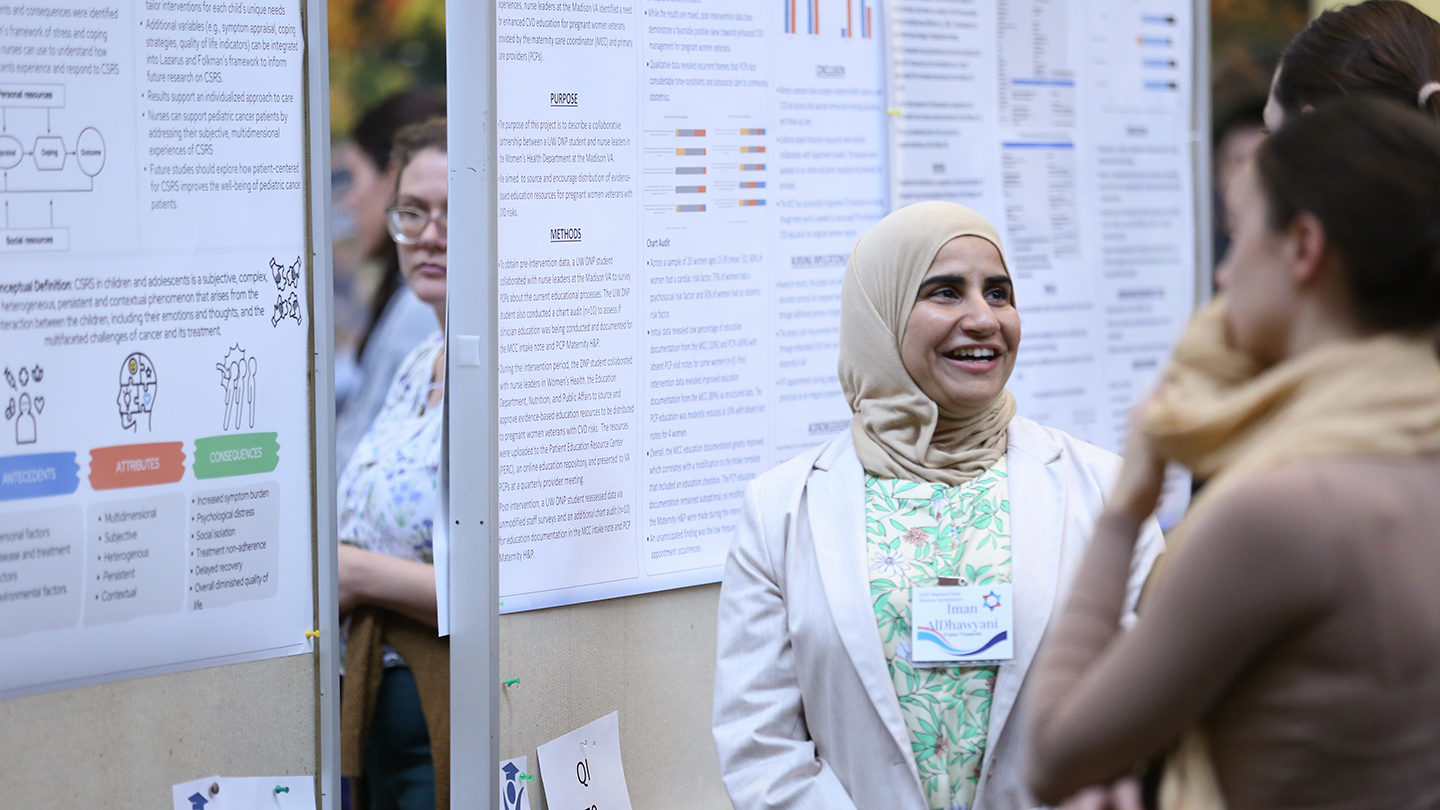
In our PhD in nursing program, you are matched with a research faculty based on research area, methodology alignment, or population of interest. With the small program size, we form a close research community connected to the larger research institution at UW–Madison.
Why Becoming a Nurse Scientist is Right for You
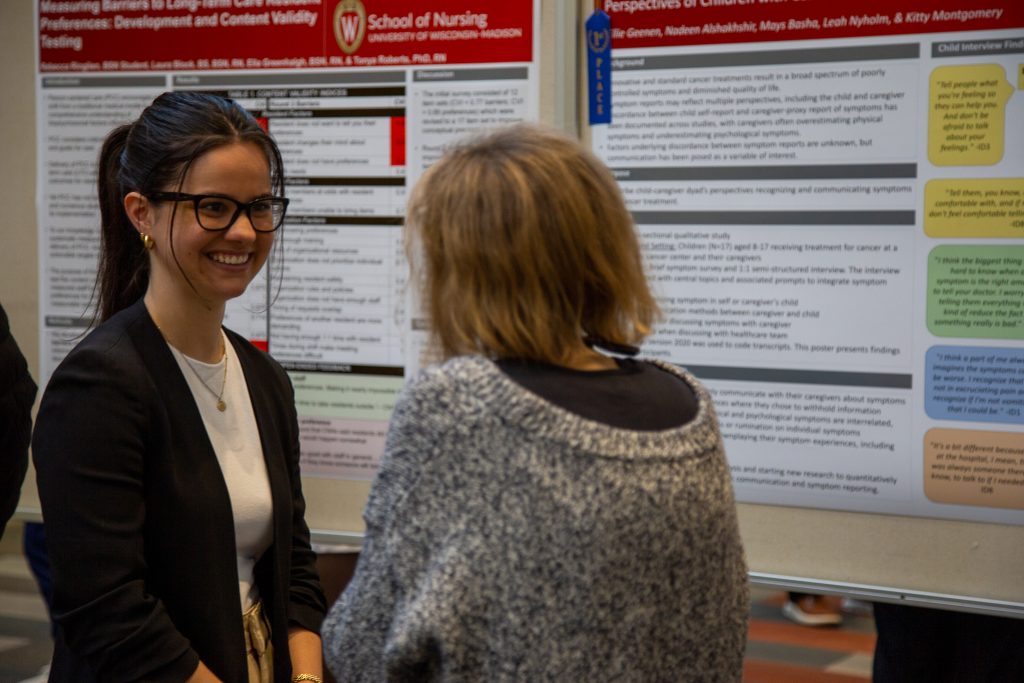
Are you a practicing nurse who finds yourself asking deeper questions about the “why” behind your work? Why do we follow certain protocols? Isn’t there a better approach? How can we improve outcomes for patients and communities? If so, you may already be thinking like a nurse scientist. These are the questions that nurse scientists ask—and answer.
PhD Program Highlights

In-person delivery

4-5-year time frame

Engage in research beginning your first semester
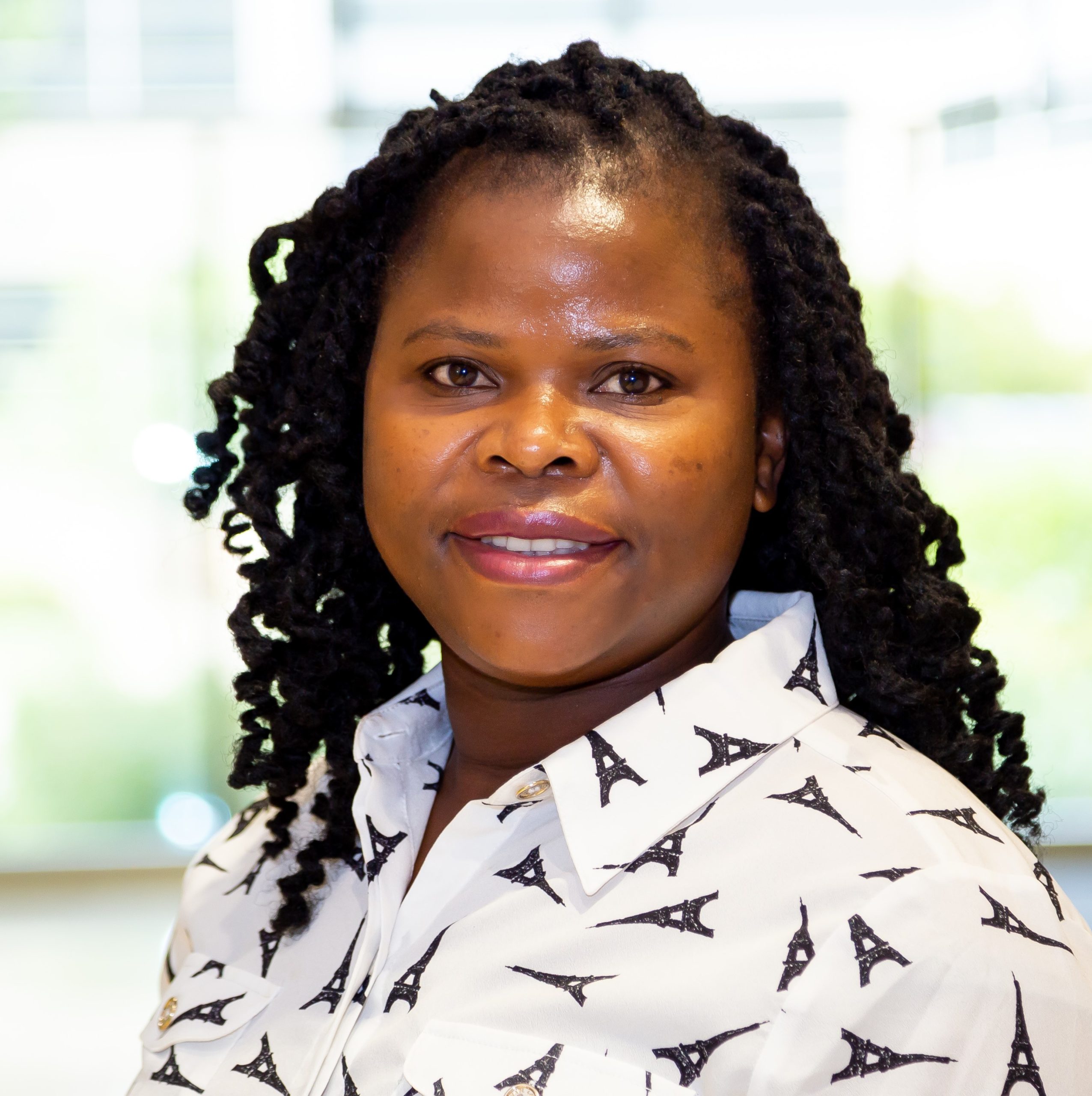
UW–Madison will always hold a special place in my heart. It is more than a university: It is a home, a community, and a place where lifelong friendships, mentorships, and dreams were nurtured. I will always be proud to call myself a Badger.
Your PhD Experience
You will learn to make discoveries and prepare the next generation of nurses through research, teaching, and service with a PhD in nursing. Your research will be grounded in the Wisconsin Idea, having an impact in Wisconsin and beyond.

Leading in Nursing Research
Our PhD program prepares researchers to develop, evaluate, and disseminate new knowledge in nursing and health science. At UW–Madison, students actively engage in research early in their PhD programs.
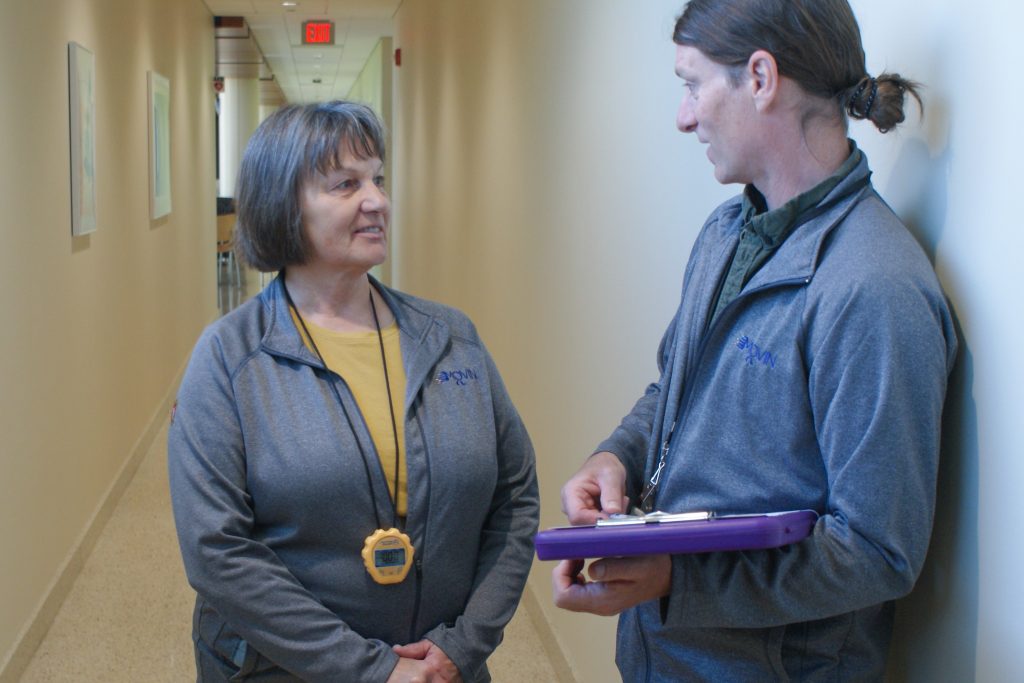
Nationally Renowned Faculty
You’ll work with our nationally renowned faculty and award-winning senior nurse scientists, who are generating cutting-edge research for effective solutions.
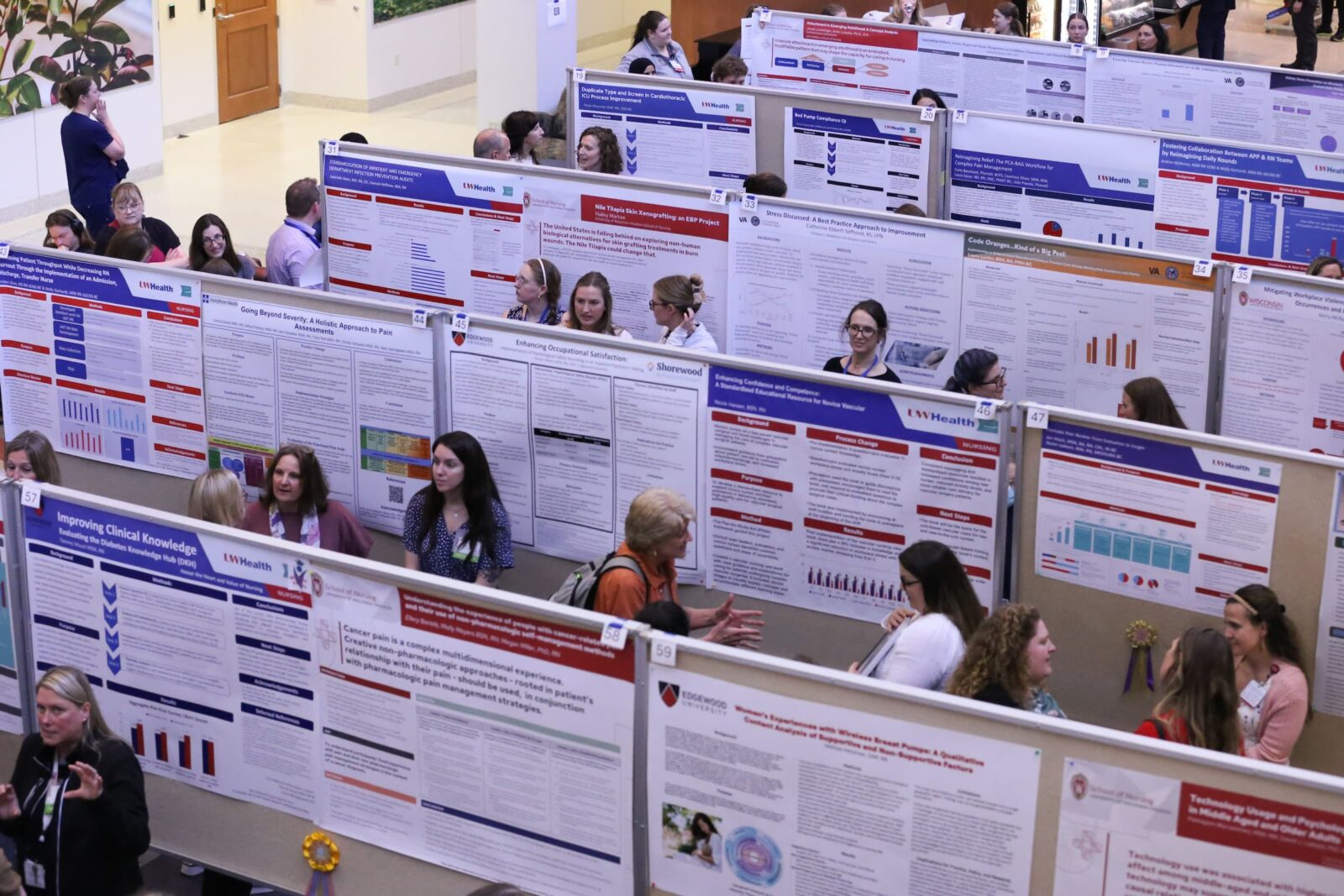
Interdisciplinary Collaboration
The UW–Madison campus offers opportunities for interdisciplinary training. We are part of a strong biotechnology and medical research ecosystem. You will have opportunities to partner with experts in emerging areas of science across campus.

Strong Community Ties
We leverage diverse perspectives to innovate in health care, improve nursing education, prepare health teams for future challenges, and enhance quality of life in Wisconsin and beyond.

Discover Madison
Madison, often voted one of the best places to live in the U.S., blends the city and campus, green spaces and urban areas, to create a place unlike anywhere else.
Badger Nurse Researchers in Action
View Testimonials from PhD Students and Alumni
The UW–Madison School of Nursing is a special place to pursue a PhD degree. Listen to stories from our PhD students and alumni who share their experiences here at the UW–Madison School of Nursing. They have access to the vast resources of a world-class research institution, but also establish a close-knit community that fosters long-lasting, collegial relationships.
-

Empowering Cancer Survivors Through Collaborative Research and Mentorship
Rachel Hawn x’26 was inspired to pursue a PhD in nursing from her personal and clinical experience with cancer and cancer survivorship. Now she’s bringing that experience into her research.
-
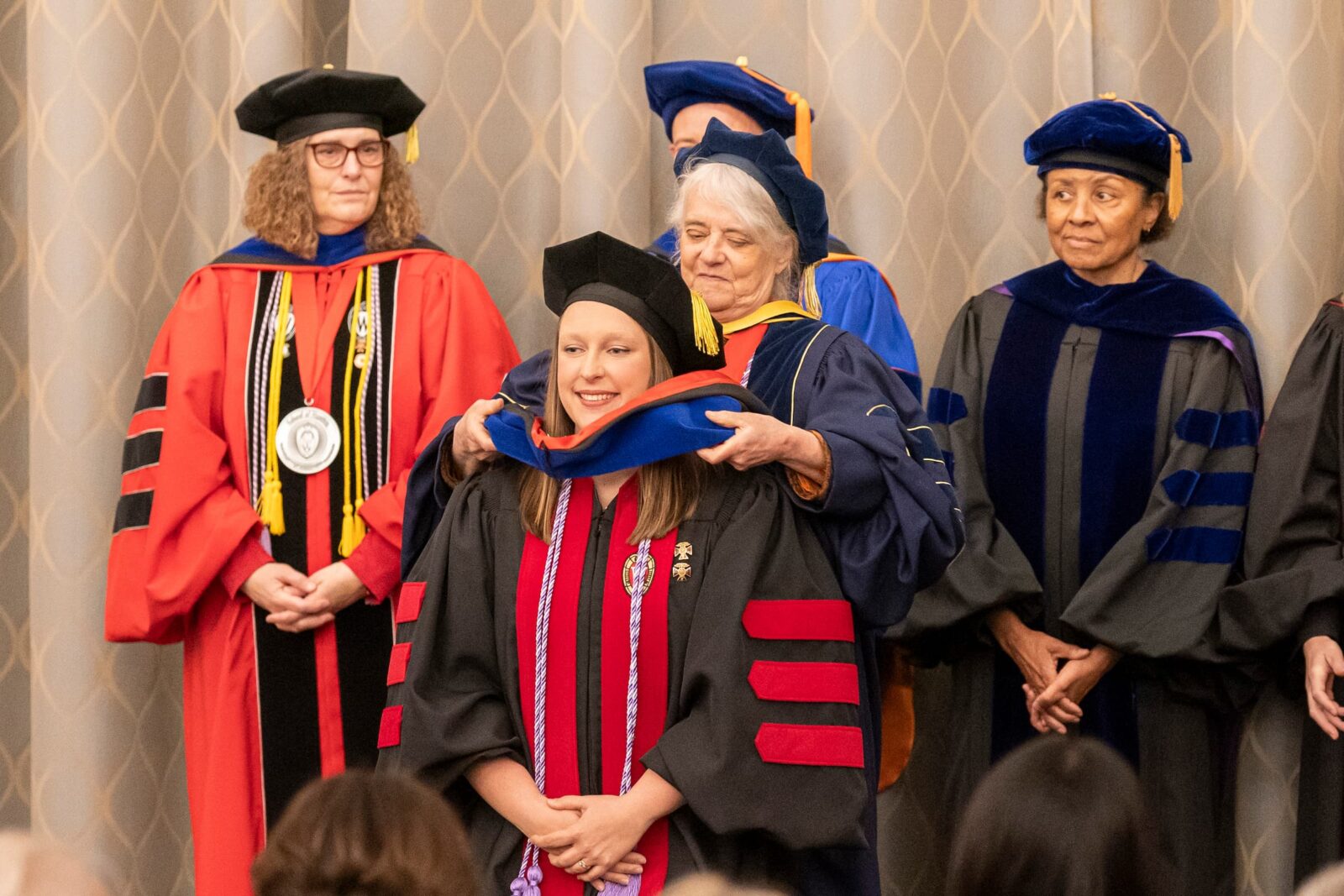
Thinking Without Boundaries: Kristin’s PhD Journey
Kristin Merss, PhD’24, found more than a PhD program at UW–Madison — she found a space that fosters creativity, deep learning, and bold thinking.
-

Meet Jessica LeClair: Assistant Professor
Jessica LeClair’s journey has come full circle—from student to clinical faculty, researcher, postdoctoral trainee, and now professor. Inspired by the mentorship she received, she’s empowering nursing students to lead.
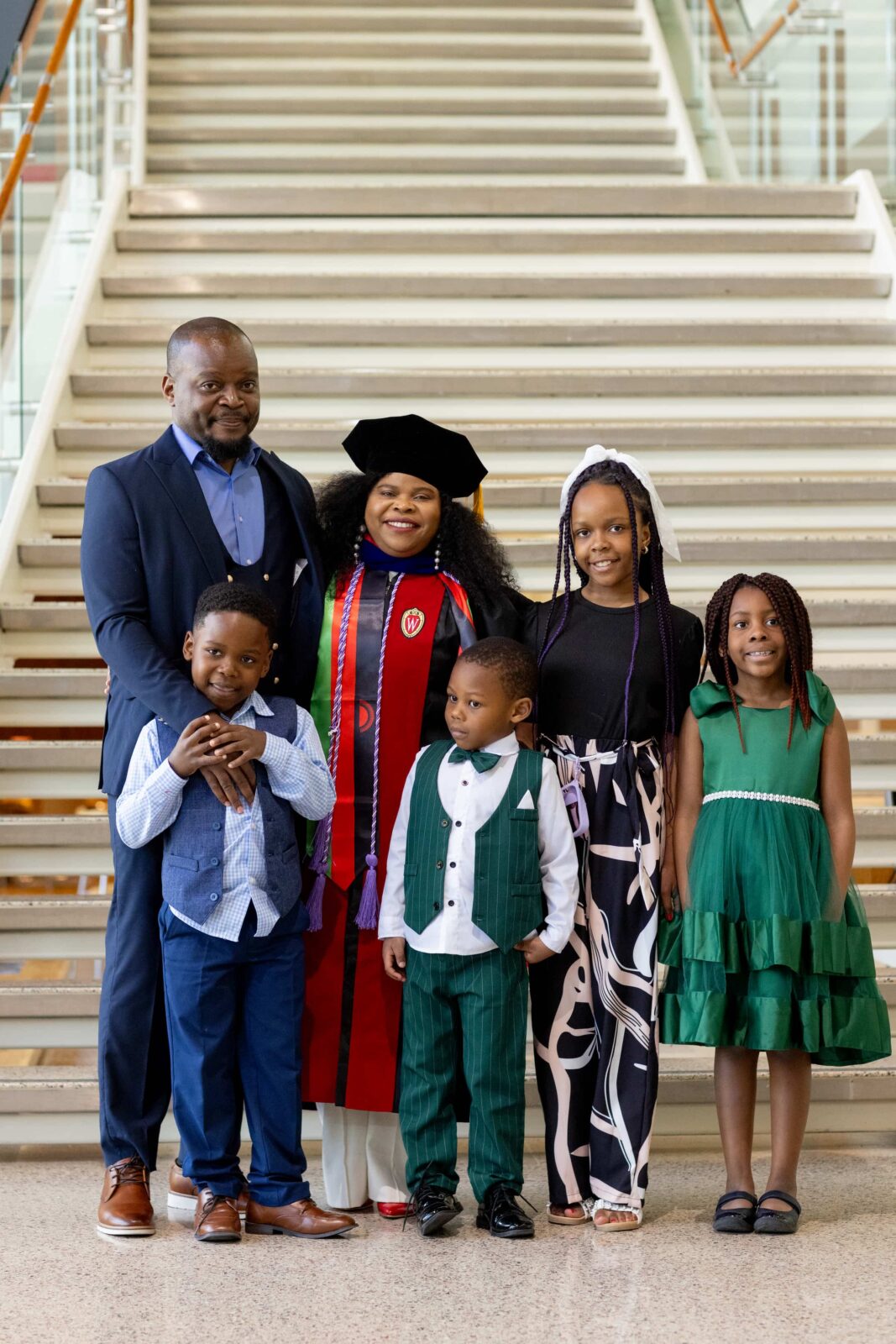
You Belong Here
Our PhD students come from a variety of backgrounds and experiences-from a growing family, to joining directly from the undergraduate program or coming from another country. If you are passionate about improving health care outcomes for all, you belong here.
PhD Program and Career Outcomes
Our PhD in nursing program prepares nurse scientists committed to discovery, theory development, and research leadership. Our students are driven by intellectual curiosity and a desire to generate, test, and disseminate new knowledge that shapes nursing practice, education, and policy.
PhD Program Outcomes
Our PhD in nursing students are prepared to:
- Advance nursing knowledge in response to regional, national, and global priorities
- Conduct and disseminate independent, high-impact research
- Collaborate in interdisciplinary research teams
PhD Career Outcomes
Our PhD in nursing graduates pursue careers such as:
- Academic faculty and researchers
- Clinical nurse scientists in health systems and industry
- Health care leaders and research entrepreneurs
- Health policy development, implementation, and advocacy specialists
Is the PhD or DNP program right for you?
Compare our graduate programs to help you determine which doctoral pathway best aligns with your professional goals and interests.
Frequently Asked Questions
Prospective and current students do not need to complete a scholarship application. PhD students admitted to the program may be offered a funding package. This package typically includes the following:
- Full tuition remission, not including segregated fees
- Monthly graduate assistant stipend, provided as compensation for a teaching or project assistant position
- Discounted family health insurance plan
Students who are offered a funding package and remain in good academic standing typically receive four academic years of financial support. Packages may vary from year to year.
Details on funding packages are provided following admission offers.
While UW–Madison is a large, research-intensive institution, our PhD program is small enough to allow you to establish long-lasting collegial relationships and receive individualized mentorship from nationally renowned faculty.
One unique feature of our program includes the Early Entry Option (EEO), which admits qualified students directly from our traditional undergraduate program.
Students receive individualized attention throughout the program; the typical ratio is 2-4 students per faculty mentor, and are immersed in research activities from the beginning of the program. Additionally, we have a strong commitment to fund PhD students to support full-time study.
We are part of the only Academic Health Center in Wisconsin. The nursing, medicine, pharmacy, and veterinary medicine buildings are grouped together, along with an affiliated teaching hospital complex.
Go to our Tenure-Track Faculty Directory to learn more about our research faculty.
In your statement of purpose, you will discuss which faculty members you would be interested in working with and how your and their research interests would align.
No. The faculty you indicate interest in working with will have an opportunity to review your application materials.
We provide financial support to our students through project assistantships, research assistantships, and teaching assistantships. Admitted students who met the December 1st application submission date will be given priority consideration for funding. If we recommend you for admission to the Graduate School, you will learn of your funding package at that time.
The Graduate School requires that international students show proof of adequate financial resources before admission. Government aid, UW–Madison scholarship(s), and UW–Madison assistantships can be counted as part of your proof of financial resources.
More information may be found on the International Students page.
Please visit the Bursar’s Office tuition page. Be sure to select the correct semester and student program.
To learn more about the application process, go to the PhD Application Process page.
Our program requires a minimum of 52 credits and is designed to be completed in four years. Students complete courses in the areas of scholarly inquiry, theory and practice of nursing, policy and leadership, and nursing education.
We provide support to students who may only be able to attend the program part time (less than 8 credits). Class offerings and availabilities of independent studies opportunities may vary.
You are not required to have a valid nursing license for the US, but it is strongly preferred that applicants have a nursing license from their country (or from the country/state where they are working as a nurse).
Depending on the type of research a student may follow, some PhD students may have to take the exam for licensure here in the US.
Explore Our PhD Program
Learn more about what makes our PhD program truly special and the impact you can make as a nurse scientist.
PhD Request for Information
Graduate Programs
Contact Us
Graduate Admissions
Suite 1100 Signe Skott Cooper Hall
admissions@nursing.wisc.edu
608-263-5180