2026 UW NAO Alumni Award Winners

The UW–Madison Nurses Alumni Organization proudly announces the 2026 NAO Alumni Award Winners, Karen Solheim ’73, and Amy Jochsett Perez ’21
By Sam Rizzo
2026 NAO Distinguished Achievement Award: Honoring Karen D. Solheim ’73, PhD, RN, FAAN
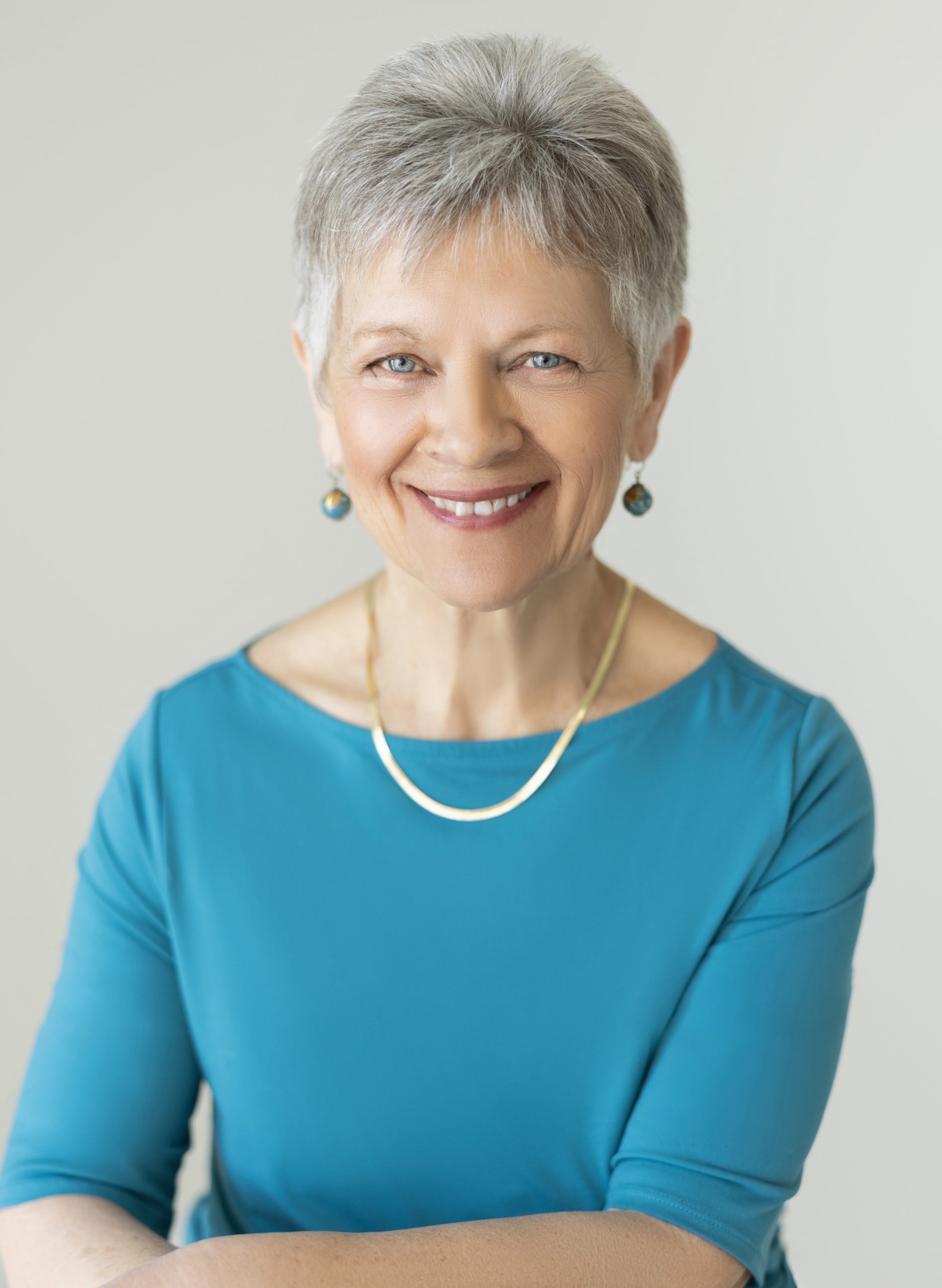
The University of Wisconsin–Madison Nurses Alumni Organization (UW NAO) proudly recognizes professor emerit Karen D. Solheim ’73, PhD, RN, FAAN, as the recipient of the 2026 NAO Distinguished Achievement Award, honoring a career defined by strong leadership, global health engagement, and a deep commitment to advancing health equity.
Dr. Solheim’s nursing journey began long before college, when her family saw how naturally she cared for others. UW–Madison later gave her the academic foundation and professional direction to turn that early instinct into a lifelong career in nursing. From her first years as a staff nurse to her roles as clinical professor, undergraduate program director, and coordinator of Global Health Initiatives for the School of Nursing, she has embodied the Wisconsin Idea and extended the reach of the university far beyond campus into communities worldwide.
Through a career spanning more than five decades, Dr. Solheim has built an exceptional record of impact on global health, community practice, nursing education, and humanitarian service. Her work with displaced populations, along with extensive teaching and leadership roles, has shaped her enduring commitment to health equity and global health.
Dr. Solheim’s far-reaching impact includes service and scholarship efforts worldwide, including Somalia, Cambodia, India, and Malawi. As Co‑Founder and Co‑President of International Partners for Education, she has helped expand educational access for youth in Malawi. Her scholarship, spanning global health nursing, community partnerships, curriculum innovation, and planetary health, has informed practice and education on an international scale.
In her positions at the School of Nursing throughout her career, Dr. Solheim has impacted generations of Badger nurses. She helped guide the school’s move to a concept‑based curriculum and developed key courses in community health and global nursing. Her contributions to teaching were recognized with the Chancellor’s Hilldale Award for Excellence in Teaching in 2017. Beyond individual courses, her work helped strengthen global health programming and long-term educational structures that continue to support students and faculty across the school today.
Dr. Solheim reflects the School of Nursing’s mission through her work strengthening systems, building community partnerships, and supporting inclusive, forward‑thinking education. Her work with Doors for Refugees and community mental health programs in Madison, such as Jewish Social Services, demonstrates a commitment to nursing practice that extends into community health, engagement, education, and support beyond traditional clinical settings.
Her lifetime of service includes extensive leadership across campus, recognition as a Fellow of the American Academy of Nursing, serving on the American Academy of Nursing’s Global Expert Panel, and participation in interdisciplinary groups focused on forced migration and global health.
Even in retirement, she continues to support the next generation of nurses, including volunteering through the Badger Nurse Mentorship Program, where she helps guide and mentor current Badger nursing students.
For her deep commitment to global health, educating future nursing leaders, and ensuring that vulnerable and displaced populations receive compassionate and capable care, Dr. Solheim truly exemplifies the spirit of the Distinguished Achievement Award. Her career reflects not only achievement, but a legacy of changing lives.
Q&A with Karen Solheim ’73, PhD, RN, FAAN
Why did you choose UW–Madison?
My family has been engaged with UW–Madison for three generations as students, faculty, and employees, and through business endeavors. Our family revered the UW, recognizing it as a world-class institution. My interaction with UW–Madison started in primary school, when I took German lessons in Bascom Hall on Saturday mornings. Choosing UW–Madison was easy for me. I was very excited to attend.
Describe how your nursing education influenced (or continues to influence) your career or life path.
Nursing education deepened my eagerness to learn. I became interested in, and at times inspired by science. I recall fully absorbing distinct areas of nursing knowledge. Starting a new paper was intriguing and satisfying when it was completed. These experiences helped me understand the importance of associating practice with the larger body of knowledge, provided a foundation for graduate school, and led me to many years working in academic nursing. My professional interests continue; for example, collaborating with nursing and community colleagues on matters of global health and migration. Nursing education also opened the door to significant encounters with the rich array of people I had the privilege to care for and the opportunity to work in settings from tertiary hospitals in the U.S. to communities in low-resource settings here and abroad. I was proud to collaborate with colleagues in endeavors that seemed to make a difference to populations and systems.
Why did you choose nursing? Did you always know you wanted to be a nurse, or did you explore other options first?
I was inclined toward nursing from a young age. My family noticed caring tendencies early on as I responded to the needs of others. As we grew up, our mother was hospitalized several times, including when her life was threatened by a motor vehicle accident. My mother’s health episodes were very impactful and motivated me to pursue a career in nursing. From both family and faith backgrounds, I felt called to service.
Which role, position, or experience has been the most significant to your nursing career? Why?
The experience that was most transformative for me was volunteering for the American Refugee Committee (ARC) in refugee camps in Thailand, caring for people who had been forced to leave their country or homes following the Vietnam War. My eyes were opened to the consequences of global politics and conflict and to the extremely harsh conditions that people endure as a result. In one camp, ARC provided health care to a camp of 80,000 people. ARC’s philosophy was to train the internally displaced people to provide the care with the support of expatriate volunteers. This was a very successful 13-year endeavor in which over 400 internally displaced people gave most of the care based on protocols and with the advice of expatriate health care professionals to the camp population. In this situation, I taught basic nursing knowledge and skills, tailored to the population and setting, for a year. This taught me the value of training and fostering empowerment, about the indomitable spirit of people in oppressive circumstances, and what it means to be a witness and a friend as people endure such hardship.
Which School of Nursing member (faculty, leadership, or staff) had (or has) the biggest impact on your experience?
Clinical instructors impacted my experience significantly. I recall Mary Pautz standing at the door smiling, as I gave my first injection. Delores Schuman pulled me from one patient’s room to another to observe Cheyne-Stokes breathing. Another instructor held a special evening session to teach us about contraception. After peers and I gave a group presentation, an instructor asked me if I had ever thought of teaching. My instructors’ excitement about nursing, their professionalism and expertise, and investment in students were motivating and encouraging as a student and a nurse.
What advice would you give to recent graduates and/or individuals considering earning an advanced degree?
I would enjoy conversation about their ideas and encourage them to consider earning an advanced degree. I would inquire about their areas of expertise and passion and encourage them to seek education that helps them develop in those areas. Nurses considering an advanced degree may be seeking a new challenge, such as a leadership or research role, or a shift in focus. That is a great reason to seek an advanced degree. In that case, I would encourage them to consult widely to learn more about their desired direction. As appropriate, I would also affirm that an advanced degree is not needed to achieve excellence in nursing. Nurses at any level who continue to grow through continuing education, strive for high quality care, and engage in the profession are crucial, making a world of difference for individuals, families and populations every day.
2026 NAO Outstanding Badger Nurse Award: Honoring Amy Jochsett Perez ’21, RN
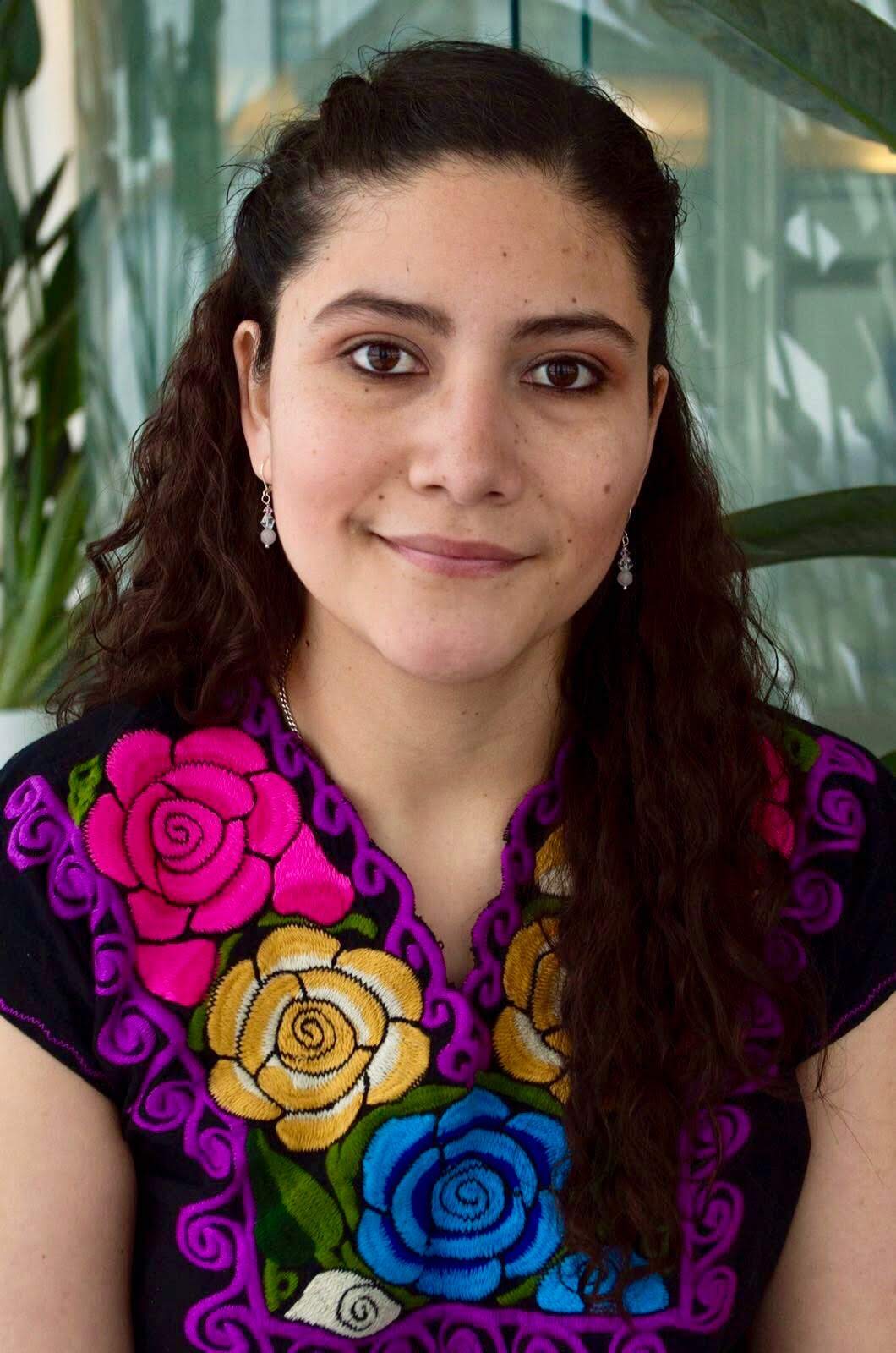
The University of Wisconsin–Madison Nurses Alumni Organization proudly recognizes Amy Jochsett Perez ’21, RN, as the recipient of the 2026 Outstanding Badger Nurse Award, honoring an early career nurse whose leadership, advocacy, and practice exemplify the highest aspirations of the profession.
For Perez, her journey to nursing was shaped by her lived experiences, personal losses, and by an early awareness that care must be equitable, accessible, and grounded in respect for every patient. Her background, shaped by adversity and perseverance, gave her an understanding of how people’s circumstances can impact access to health care. The challenges she overcame became a driving force behind her efforts to become the nurse that she is today.
Her nursing education, especially at UW–Madison, provided both the rigorous foundation and the supportive community she needed to translate those experiences into purposeful practice. While completing her BSN as part of the traditional program at UW–Madison, Perez balanced academics with employment and navigated personal challenges, including caring for her terminally ill grandmother in Mexico. Perez notes that her grandmother’s death — which she believes could have been preventable with early detection — became a pivotal moment in her nursing journey. It deepened her understanding of nursing as both a science and a practice, strengthening her commitment to reproductive health, health equity, and patient advocacy.
Perez has built an extraordinary early career across high-acuity settings. Her training in COVID intensive care, burn care, and pediatric intensive care sharpened her ability to think critically under pressure and to navigate clinical uncertainty with clarity and empathy.
These skills prepared her for some of the most complex and emotionally demanding work she has faced in her career: caring for patients in reproductive health settings during a period of rapidly changing clinical and operational circumstances. In these high-pressure environments, Perez supported individuals navigating time sensitive decisions while under significant personal, geographic, or logistical constraints. She became a steady and trusted presence for patients who often felt unseen or unheard, offering evidence-based information, clear communication, and compassionate guidance.
As care needs shifted across regions, she extended her impact, traveling nationally to clinics experiencing unusually high patient volumes. She helped strengthen clinical capacity by training nurses, midwives, and advanced practice providers in ultrasound skills and patient centered reproductive health care. With an emphasis on evidence-based practice and using education in service to others, she helped guide patients through their time of need to ensure safe, high-quality care during times of rapid system change.
Perez now serves as a high-risk labor and delivery nurse at a Level IV perinatal center, where she provides expert, trauma-informed care to patients with complex medical and psychosocial needs, including those experiencing fetal demise or pregnancies not compatible with life. Her practice focuses on patient autonomy and thoughtful communication in moments of profound vulnerability to help patients feel informed and empowered during times of uncertainty.
She is committed to shaping the future of the profession. As a clinical instructor and mentor, Perez supports nursing students, particularly those interested in maternal, mental, and reproductive health, by helping them prepare for the clinical, emotional, and ethical demands of practice. She stays connected to UW–Madison through ongoing mentorship and professional relationships that continue to inform her approach to leadership and teaching.
Her dedication to service and nursing practice extends beyond the hospital. She has fostered animals through Altruistic Dog Rescue, supported trauma recovery efforts, and is completing her studies as a graduate student at Yale University in the Psychiatric–Mental Health Nurse Practitioner program, specializing in reproductive psychiatry.
Through her clinical excellence, commitment to service, and engagement with students, Perez embodies what it means to be a Badger nurse. Her early career reflects the foundation built at UW–Madison, and her impact is only just beginning.
Q&A with Amy Jochsett Perez’21, RN
Why did you choose UW–Madison?
I chose the University of Wisconsin–Madison because I wanted an education that was rigorous and grounded in service and justice. I was not interested in learning how to simply function within the health care system. I wanted to be trained in a way that would allow me to question it, challenge it, and improve it. The Wisconsin Idea, with its emphasis on using education to improve lives beyond the university, strongly resonated with me and aligned with how I understood my responsibility as a future nurse.
As the daughter of undocumented immigrants, a first-generation college student, and a person living with multiple disabilities that are often invisible, access to higher education was not guaranteed for me. Programs like Bucky’s Tuition Promise made it possible for me to attend UW–Madison and pursue nursing without the constant fear of financial instability. That support was not just financial. It allowed me to fully engage in my education and my community.
During my time at UW–Madison, I worked at The Sett Pub while completing my studies, balancing academics with employment to support myself. I also joined Lambda Theta Alpha Latin Sorority, Incorporated, which was one of several spaces where I built meaningful relationships. More broadly, I found a family away from home through a combination of experiences and people, including my coworkers at The Sett, my peers and mentors within the School of Nursing, and connections across campus. Together, these communities gave me stability and support as I navigated an environment that was not always built with students like me in mind.
Long before I arrived at UW–Madison, I understood how immigration status, language access, disability, income, education, and neighborhood shaped opportunity and access to care. What UW–Madison offered was the academic framework and clinical training to study those realities rigorously and to respond to them through nursing practice. The Wisconsin Idea reinforced my belief that nursing education should extend beyond the classroom and into meaningful service to communities.
The academic rigor of UW–Madison mattered to me because serving those in our community who have faced systemic exclusion and discrimination requires more than good intentions. It requires knowledge, skill, and the ability to think critically within complex systems. I chose UW–Madison because it gave me the foundation to do that work responsibly and with compassion, while also giving me a place where I belonged.
Describe how your nursing education influenced (or continues to influence) your career or life path.
My education at the UW–Madison School of Nursing shaped how I approach complexity, uncertainty, and responsibility in clinical practice. I was trained to think critically under pressure, to manage uncertainty responsibly, and to make decisions grounded in evidence while remaining attentive to the human experience within the health care system. That way of thinking became especially important early in my career as I moved through high-acuity environments including COVID intensive care, burn care, pediatric intensive care, and later high-risk obstetrics.
As a student, I learned to move beyond task-based care and to understand clinical situations as layered and interconnected. That approach has followed me into every role I have held. In reproductive health and obstetrics, it has allowed me to recognize when clinical issues are intertwined with legal, social, or psychological harm. In education, it has shaped how I teach students to slow down, assess context, and center patient autonomy rather than defaulting to routine or hierarchy.
The School of Nursing also influenced my long-term trajectory. It helped me see nursing as a discipline that spans bedside care, education, advocacy, and systems-level change. That perspective led me to pursue further training in sexual assault nursing and to continue my education in psychiatric mental health nursing with a focus on reproductive psychiatry. The way I practice today, and the direction my career continues to take, are rooted in the clinical judgment, accountability, and intellectual discipline cultivated during my education at UW–Madison.
Why did you choose nursing? Did you always know you wanted to be a nurse, or did you explore other options first?
I did not always know that I wanted to be a nurse. I have always loved science, and my first degree was in science and engineering. I was drawn to analytical thinking, problem-solving, and understanding how systems work. While I valued that foundation and the discipline it gave me, I eventually realized that the work did not feel fulfilling. I wanted a career where my skills were connected more directly to people and where my work had a tangible impact on others’ lives.
That realization led me to leave my previous job and pursue a position at Planned Parenthood of Wisconsin, where I worked as both a medical assistant and a receptionist. In that role, I was often the first point of contact for patients and part of their clinical care. I saw how access, communication, and trust shape health care experiences, especially for patients navigating fear, stigma, or limited options. I also saw how nurses were able to impact people’s lives through health promotion, patient education, and prevention, often long before illness or crisis occurred.
While working at Planned Parenthood, I completed my nursing prerequisites and through daily collaboration with nurses, my understanding of nursing deepened. I also witnessed firsthand the need for Spanish-speaking nurses who understood Latino culture and could communicate with patients in a way that felt safe, respectful, and affirming. Seeing how language and cultural understanding directly influenced patients’ comfort, comprehension, and engagement with care solidified my decision to apply to nursing school.
I came to nursing through experience rather than certainty. Choosing nursing was a deliberate decision shaped by what I learned about myself, my values, and the kind of work I wanted to do. That path ultimately led me to the University of Wisconsin–Madison, where I could pursue nursing education with the rigor, depth, and purpose I was seeking.
Which role, position, or experience has been the most significant to your nursing career? Why?
My work as an abortion care nurse in Texas during the implementation of SB8 and the subsequent fall of Roe v. Wade has been the most significant experience of my nursing career. Practicing in that environment meant caring for patients amid rapidly changing and increasingly restrictive laws, fear, and profound uncertainty. Even before Roe was overturned, SB8 created a climate where access was severely limited, and clinics were seeing extraordinarily high volumes of patients racing against time to obtain care before legal thresholds were crossed. During this period, many of the patients I cared for were navigating time-sensitive decisions while balancing travel, financial strain, and personal safety.
Patients were not only making medical decisions, but also trying to understand what those decisions meant for their privacy, legal exposure, and personal risk. Nurses were often the primary source of continuity and clarity. I helped patients navigate complex and emotionally charged situations while ensuring that care remained ethical, compassionate, and grounded in evidence. The pace was relentless, and the stakes were high, but maintaining patient dignity and trust was always central to my role.
As access to abortion care became increasingly restricted, my responsibilities extended beyond the clinic visit. I supported patients who needed to travel out of state by helping them understand timelines, logistics, and safety considerations, while also working to mitigate risk wherever possible. For patients who could not travel, including those facing financial, immigration, or safety barriers, I provided education rooted in harm reduction and patient autonomy. This included sharing information about managing care safely at home through reputable telehealth and online services when appropriate. Throughout this period, my focus was on protecting patients and reducing harm within an increasingly hostile health care landscape.
Following the overturning of Roe, I continued this work on a broader scale by traveling to support clinics across the country. In this role, I trained nurses, midwives, and advanced practice providers in ultrasonography, abortion care, and miscarriage management. Education became a form of access. By strengthening the clinical skills of health care providers, I helped expand capacity and improve care for patients displaced by restrictive laws.
I later returned to Texas to work in high-risk obstetric care, where I now serve as a labor and delivery nurse caring for women with complex medical needs, many of whom are immigrants or have limited financial resources. In this role, I care for patients navigating high-risk pregnancies as well as those experiencing fetal demise or pregnancies that are not compatible with life. I provide clinical care and emotional support for patients who choose to induce labor early rather than undergo a procedural abortion, ensuring they receive compassionate, trauma-informed care during some of the most difficult moments of their lives.
Together, these experiences reshaped my understanding of nursing. They reinforced that nurses are often the last line of protection for patients when systems fail them. The work requires clinical skill, emotional steadiness, and moral clarity, and it continues to guide my commitment to reproductive health, high-risk obstetrics, and the defense of patient autonomy within unjust systems.
Which School of Nursing member (faculty, leadership, or staff) had (or has) the biggest impact on your experience?
Two individuals at the UW–Madison School of Nursing had a profound and lasting impact on my experience: Dean Emerit Linda D. Scott, PhD, RN, NEW-BC, FADLN, FNAP, FAAN, and Jennifer Drake, MS, RN.
Dr. Scott, who served as Dean of the School of Nursing, played a deeply personal role in my sense of belonging at UW–Madison. As a student who began my nursing education at age 26, I often struggled to feel connected to my peers. Dr. Scott noticed this and met me with warmth and intention. She would invite me to have soup together at the School of Nursing café, and through those conversations we bonded over our shared experiences as women of color in nursing. Those moments mattered more than she likely realized. They affirmed that I belonged in academic spaces that had not always been built with students like me in mind.
I once gifted Dr. Scott a doll hand-made in Mexico, and she kept it in her office. It became a quiet symbol of connection and recognition. She was also the first person I told, outside of my husband, that I had been admitted to Yale to pursue a master’s degree. Her pride in that moment reinforced my belief that my goals were not only possible but deserved. Dr. Scott passed away suddenly last year, and her mentorship continues to shape how I think about leadership, visibility, and care within academic institutions.
Jennifer Drake, my clinical instructor, had an equally significant impact on my development as a nurse. She supported me through complex clinical and social situations and helped me navigate ethical dilemmas within the health care system. She helped me develop social and professional skills through a compassionate, supportive approach rather than criticism or correction that felt punitive. In doing so, she taught me how to extend compassion to myself while navigating the expectations and challenges of nursing education as a neurodivergent student.
Together, Dr. Scott and Ms. Drake shaped my experience at the School of Nursing in ways that extended far beyond coursework or clinical skills. They taught me what it looks like to lead with humanity, to mentor with intention, and to create space for students to show up fully as themselves. Their influence continues to guide how I care for patients, teach nursing students, and move through professional spaces with confidence and purpose.
What advice would you give to recent graduates and/or individuals considering earning an advanced degree?
I would encourage recent graduates and those considering an advanced degree to take their time understanding both who they are and what they hope their work will contribute. Nursing offers many paths, and there is no single timeline or definition of success. It is okay to explore, to change direction, and to let experience guide your next steps rather than feeling pressure to move quickly or follow a predetermined trajectory.
I would also emphasize the importance of choosing programs and environments that challenge you intellectually while remaining grounded in your values. Academic rigor matters because caring for communities that face systemic exclusion and discrimination requires strong clinical judgment, critical thinking, and ethical clarity. An advanced degree should give you tools to better understand complex systems and to intervene thoughtfully within them.
For those who live with disabilities, neurodivergence, or identities that are not always centered in academic spaces, I would encourage you not to view those experiences as barriers to advancement. They can be sources of insight, resilience, and depth. Seek mentors who recognize your strengths, who support your growth without diminishing who you are, and who model compassion alongside excellence.
Finally, I would remind future nurses that this profession is sustained not only by skill and knowledge, but by community. Build relationships, ask for help, and remain connected to the reasons you chose nursing in the first place. The work is demanding, but when grounded in purpose and integrity, it can also be deeply sustaining.