Accelerated Bachelor of Science in Nursing
Fast-Track the Career You Want
At the UW–Madison School of Nursing, we prepare you for the nursing career you want in 12 months. Our accelerated bachelor of science in nursing (ABSN) program is for non-nursing bachelor’s degree holders. Our graduates work in a variety of nursing careers, directly impacting patient care and confidently advocating for community health improvements.
Applications Open:
May 1-September 15
ABSN Program at a Glance
#19 BSN program
2026 U.S. News & World Report
1-year time frame
In-person delivery
Make your education affordable—here’s how!
Your UW–Madison ABSN Experience
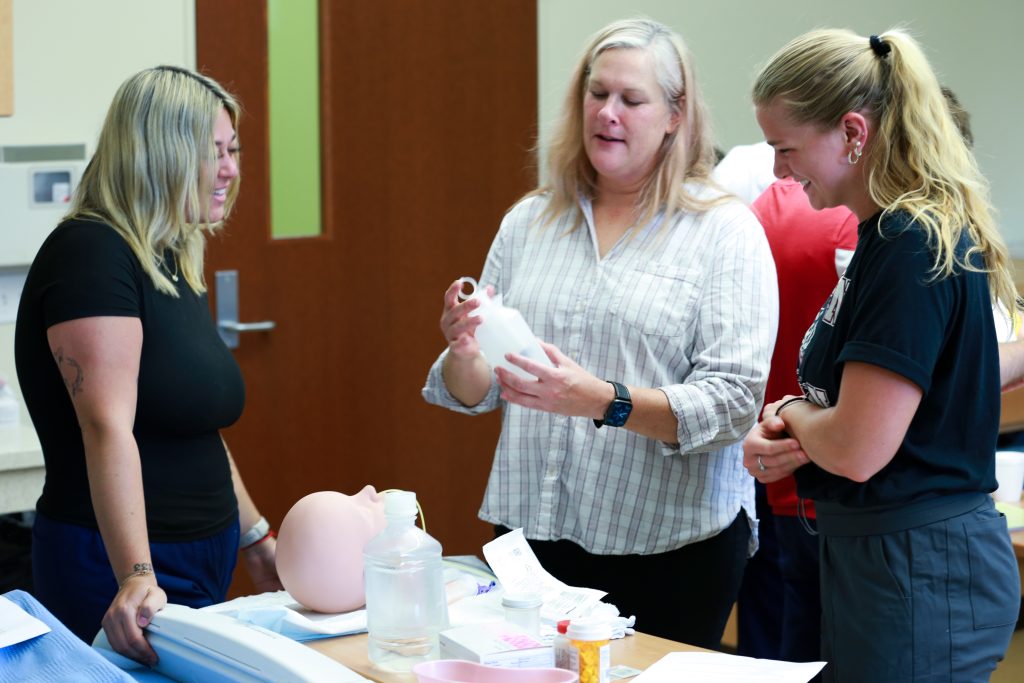
Prepare with cutting-edge technology
Experience advanced simulations and gain hands-on clinical training, all under the guidance of experienced professionals using the latest health care technology.

Gain experience in various clinical settings
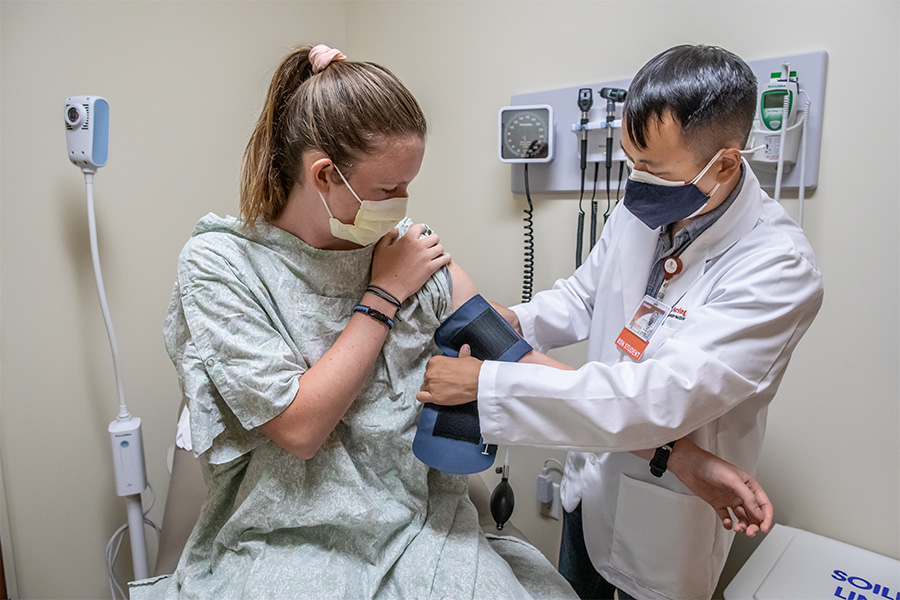
Build confidence and clinical expertise through placements that we arrange for you across a wide range of settings—from schools and correctional facilities to rural and urban hospitals and clinics.
Join the Badger nurse community
Learn alongside a close-knit cohort of aspiring nurses whose varied experiences will enrich your perspective. Grow together through the ABSN program and build lifelong connections as future Badger nurses.


Discover Madison
Madison, often voted one of the best places to live in the U.S., blends the city and campus, green spaces and urban areas, to create a place unlike anywhere else.
Want to Learn More?
Our advisors are happy to talk with you and answer your questions at our online or in-person info sessions.

Career Outcomes
We prepare you for success with career fairs, NCLEX prep, and mentorship opportunities. UW–Madison BSN graduates achieve strong career outcomes:
- 84% secured a job before graduation
- 96% passed the NCLEX on their first try
- 99% are employed or enrolled in graduate school within six months
- Graduates’ median starting salary is $82,170
Badger Nurses in Action
Meet Thu McKenzie ’24
Thu McKenzie ’24 shares her journey into nursing, why she chose the UW–Madison ABSN program, and her vision for the future of health care.
UW–Madison ABSN Student & Alumni Stories
-
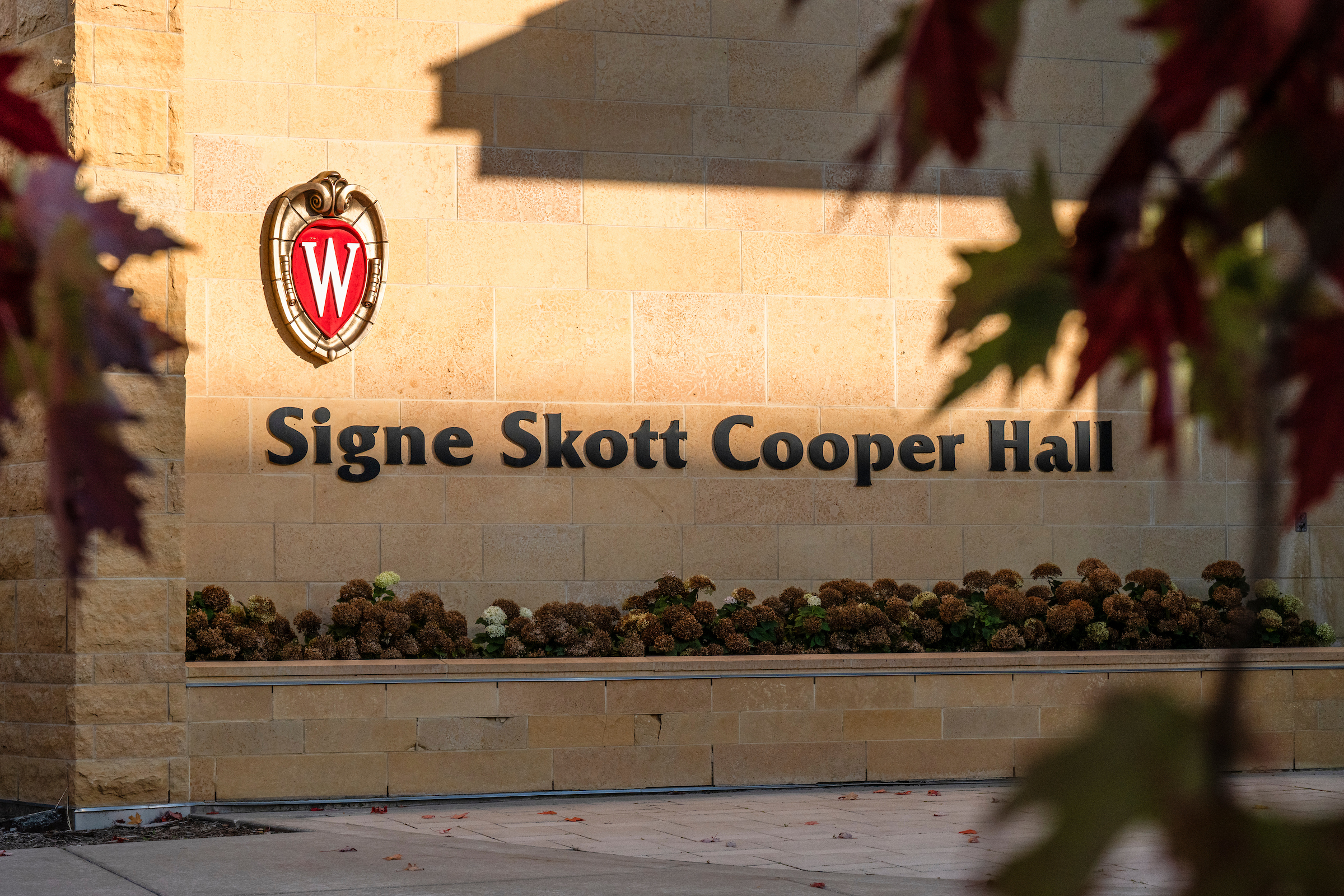
UW–Madison School of Nursing Recognized as Wisconsin’s Top Undergraduate Nursing Program
2027 Rankings Place School of Nursing’s BSN program in top three percent of eligible programs nationwide
-

Two Badger Nurses, One Lasting Connection
How Maya Korol ’26 Found a Mentor — and a Friend — in Ann Brewer ’84.
-
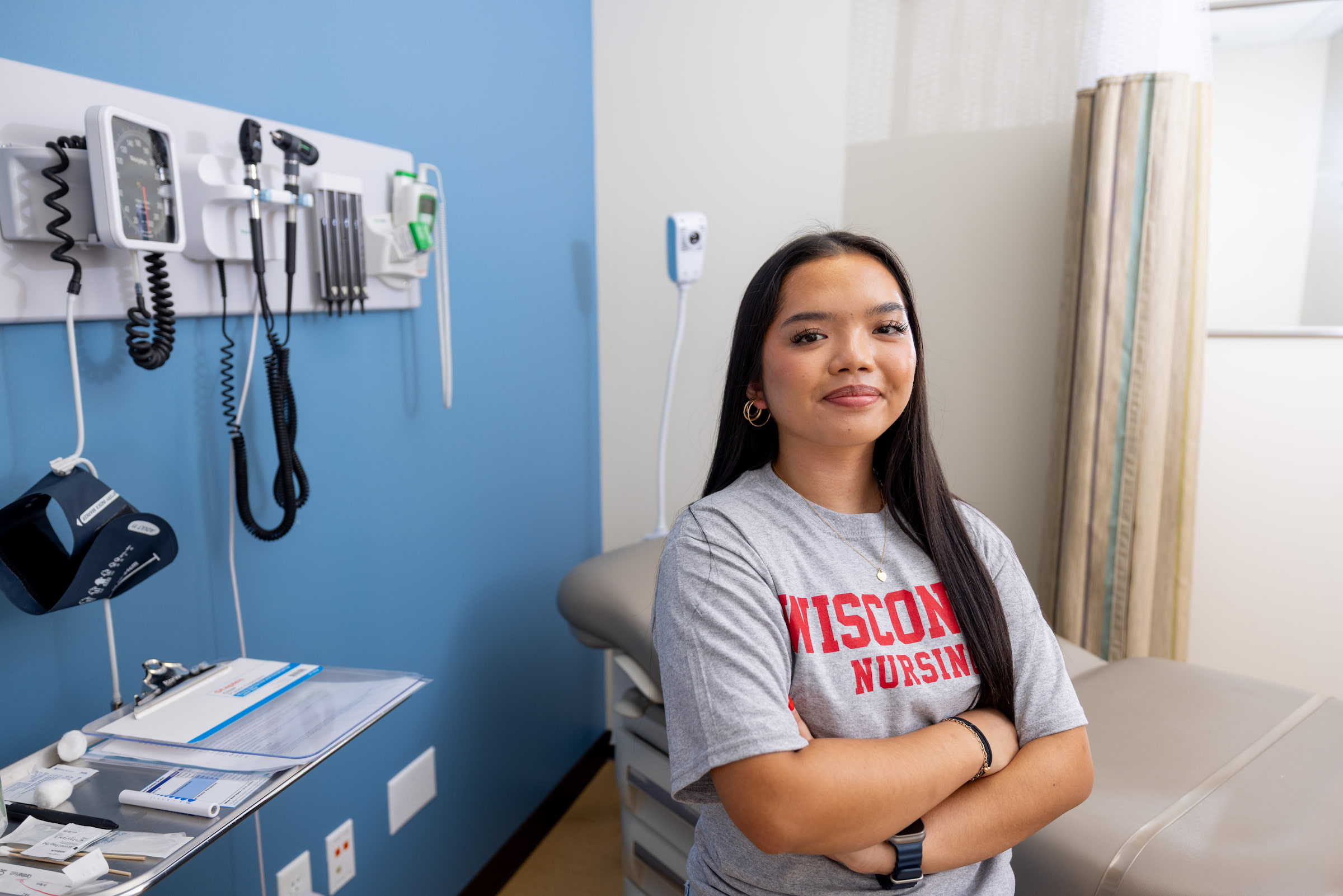
Your Future in Nursing: A Career Where Individual Care Makes Collective Impact
Thinking about a career in nursing? It’s more than a profession—it’s care, leadership, & advocacy shaping the future of health. Here are five reasons to choose a career in nursing.
Five Reasons to Choose a Career in Nursing
Nursing is more than bedside care. It’s about advocacy, critical thinking, and caring—driving innovation and making meaningful changes in communities locally and globally. Nurses stand at the intersection of science and humanity, compassion and problem solving, care and leadership.
Frequently asked questions
Applicants to the ABSN degree program need to graduate with a bachelor’s degree in a non-nursing field prior to starting the ABSN degree. If you meet the course and GPA requirements at the time of application, you are eligible to apply and be admitted conditionally, as long as you graduate with your bachelor’s degree before the ABSN classes begin in mid-May. You may apply at the beginning of your last year of undergraduate study.
No, we do not require or accept letters of recommendation.
Yes, we require that the science prerequisite courses be completed within seven years of the program start date. With the intensity of our accelerated curriculum, students do not have time to refresh their science knowledge while learning the new information.
In addition to submitting the application to the School of Nursing through NursingCAS you must submit your UW–Madison second-degree application by October 1. Without a second-degree application, you will be ineligible for admission to the ABSN program.
Yes, all applicants need to submit all official college/university transcripts where they earned college credit (even if while dual-enrolled in high school) to NursingCAS.
If you are taking coursework in the fall or spring terms while your ABSN application is under consideration, you can enter your expected enrollment information in NursingCAS in the Academic History section for the term in which you intend to take those courses. Current and future terms will display the courses as “In Progress/Planned.”
No. A CNA is one way students learn about the nursing profession and gain experience in the field, but we do not require a CNA license for admission. There is a place to enter your CNA information in the Supporting Information section of the NursingCAS application.
No, we currently do not require applicants to complete the TEAS exam.
Yes, once you enter the nursing online application, you can save it and return to it later. However, in the experiences and achievements section, you should complete all information and duties for each experience and/or achievement, as you may not be able to edit them after entering.
We use the email addresses supplied on your nursing admission application for all correspondence. If offered admission, it continues to be your responsibility to ensure this email address is active and checked from the time of application until you are issued a wisc.edu email address.
Applicants placed on the waitlist are notified of their status when admission decisions are released. Applicants may be admitted from the waitlist when/if an admitted student declines the offer of admission, if admission is revoked, etc. If a waitlisted applicant is admitted, they are typically notified between December and January. The waitlist is unranked and unnumbered, and there is nothing an applicant can do to influence their status on the waitlist.
Maybe. If you create a new NursingCAS application with the same email address, you will be given the opportunity to decide which sections you want to import from the previous application cycle and which ones you would like to submit again. You will have to submit a new university second-degree application when reapplying.
No, we generally have more applicants than we have spots for; as a result, admission decisions are final and not able to be appealed.
Currently, there is no limit on the number of times one may apply to the ABSN program. Visit the BSN page for information about future application cycles.
Accelerated Bachelor of Science in Nursing Request for Information
Programs
Resources
Contact Us
Undergraduate Admissions
Suite 1100 Signe Skott Cooper Hall
admissions@nursing.wisc.edu
608-263-5180