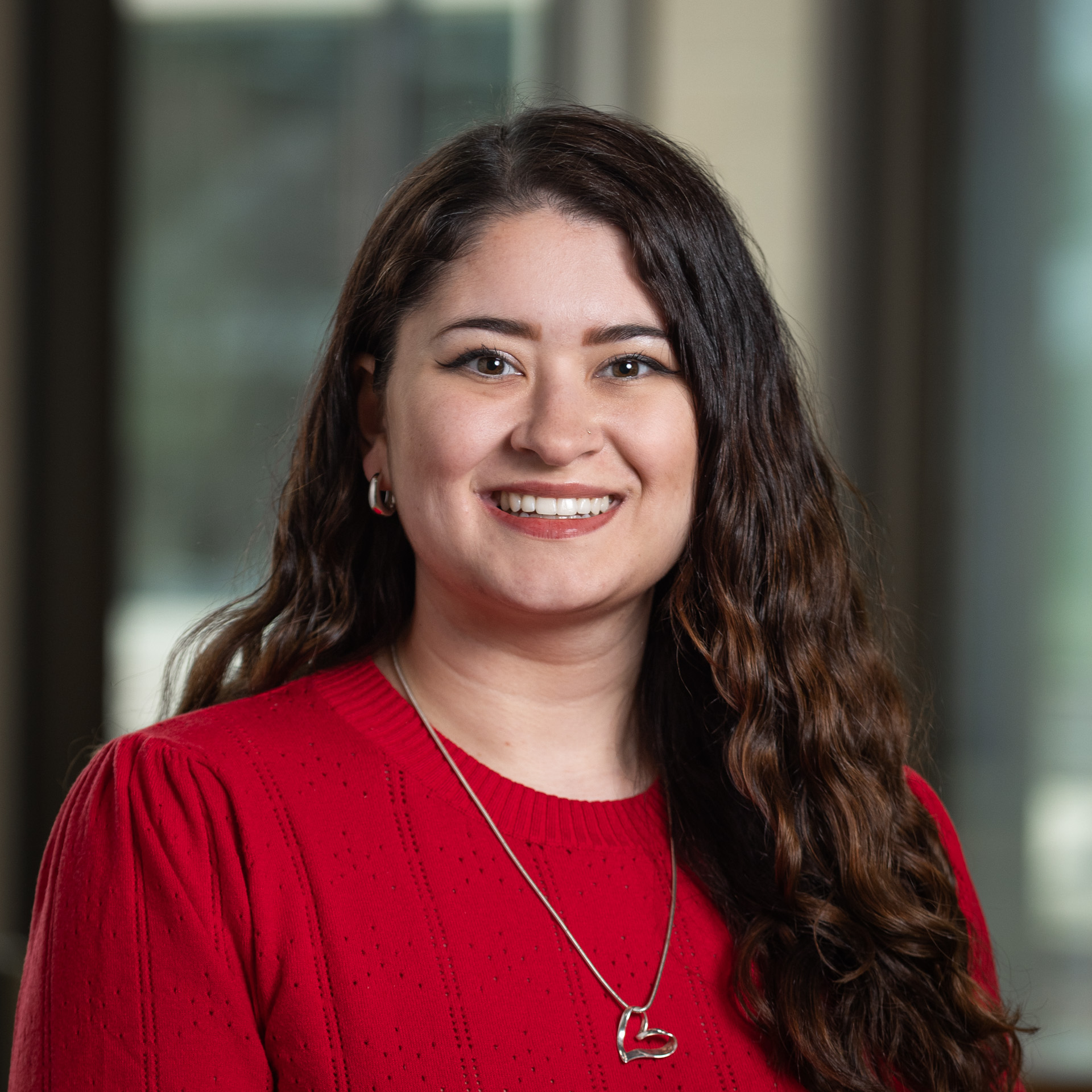
Brianna Jackson, PhD, MScN, RN, CPMHN(C)
Assistant Professor
4177 Signe Skott Cooper Hall
Biography
Postdoctoral Fellowship, National Clinician Scholars Program, University of California, San Francisco, 2025
PhD in Nursing, Yale University, 2024
MScN, University of Western Ontario, 2019
BScN, University of Western Ontario, 2017
Dr. Brianna Jackson is a Psychiatric-Mental Health Registered Nurse, and an Assistant Professor at the University of Wisconsin–Madison School of Nursing. She is a recent PhD graduate of Yale University and completed her Postdoctoral training with the National Clinician Scholars Program at the University of California, San Francisco (UCSF). Brianna’s research interests closely align with her professional nursing experience. Dr. Jackson describes her work as trauma- and violence-informed, equity-oriented, and heart-forward. She is committed to investigating the confluence of psychosocial trauma and resilience among youth who are disproportionately harmed by adversity, including those who are in foster care, involved with the justice system, or are experiencing homelessness. Brianna has a love for community engagement, and has worked with a variety of historically disadvantaged and socially marginalized pediatric and young adult populations across diverse contexts. Dr. Jackson uses mixed methods, arts-based, and participatory approaches to examine complex biopsychosocial factors influencing mental health and wellbeing, and hopes to develop comprehensive clinical interventions that support young people as they navigate the transition to adulthood amid challenging circumstances.
Research Focus Areas
Mental, Psychosocial, and Behavioral Health and Well-Being
- Psychiatric-mental health care
- Psychosocial trauma and toxic stress
- Resilience, positive adaptation, and flourishing
Health Equity and Social Justice
- Intersectionality, marginalization, social/structural determinants of health, and structural violence
- Health equity, social justice, and advocacy
- Critical and emancipatory theoretical perspectives
- Participatory and community-engaged methodological approaches
Health and Well-Being of Children and Families
- Adolescents, transitional-aged youth, and emerging adult
- Biobehavioral development across the lifecourse