Legacy, Transformed
How Linda D. Scott Transformed Nursing at UW–Madison, and Beyond
by Megan Hinners

The University of Wisconsin–Madison School of Nursing, and the nursing profession, lost a leader on November 17, 2025.
In the days that followed Dean Emerit Linda D. Scott’s passing, the grief felt by many was evident. Messages poured in from far and wide: from nurse scientists and clinicians; from former colleagues and presidents of national organizations; from faculty and staff past and present; from students, alumni, donors, advocates, friends, and global partners.
What emerged was far more than sorrow. There was gratitude, admiration, and a shared recognition that Dr. Scott had shaped the nursing profession in ways that will endure for generations. It quickly became evident that Dr. Scott’s leadership had grown beyond the boundaries of a single role or institution. Her reach was national. Her influence was global. Her impact was permanent.
James Neupert, retired vice president of Guidant Corporation and longtime supporter of the School of Nursing said, “There are pioneers and there are leaders. Dean Scott was both. A rarity.”
A Dream, Transformed
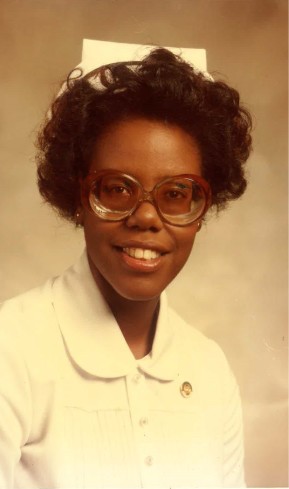
At her core, Dr. Scott was a nurse.
Before she was a dean, before she was a national leader and a global voice for nursing, Dr. Scott was caring for patients and their families at the bedside.
During a celebration of her career on December 19, 2025, her brother Robert Scott reflected on that truth. “If you knew Linda,” he said, “you knew early on that nursing was not just a profession for her—it was a calling. She carried the heart of a caregiver long before she ever had the title ‘nurse.’”
Her understanding of care was formed while growing up in Kalamazoo, Michigan. In a 2023 interview, she recalled lining up her dolls across her bed, transforming it into a hospital ward, and herself into the caregiver responsible for attending to them. Influenced by images of Florence Nightingale, she was convinced nurses needed to wear capes and draped a blanket across her shoulders. Smiling, she said during the interview, “I just knew that when I graduated, I’d finally have a real cape,” even though she understood capes had long been phased out of the nursing uniform.
That early instinct to care had a real-life inspiration. Dr. Scott’s mother worked as a nursing attendant at a psychiatric hospital. Through her, Dr. Scott was introduced at a young age to the realities of health care, including its demands, complexities, and the human connection forged through nursing. Her mother also taught her that boundaries do not exist when it comes to chasing your dreams. That lesson helped launch a career in nursing that saw Dr. Scott’s impact influence people, policy, and science far and wide.
Even as her career and responsibilities grew, her nursing instincts never wavered. Colleagues recall stories that include quiet words of encouragement offered at exactly the right moment, advocacy to stand firm for the needs of students, of humor used to ease tension without diminishing seriousness, or of her checking in to make sure students had everything they needed.
If you knew Linda, you knew early on that nursing was not just a profession for her—It was a calling. She carried the heart of a caregiver long before she ever had the title of ‘nurse’
Clinical Associate Professor Cassie Voge, MS, RN, AOCN, said, “I was teaching my small group of eight junior nursing students in a classroom. Dean Scott popped her head in and said a quick hello and asked if we needed anything. My students were all quite polite and smiled and said, ‘No, thank you.’ I teased them and said that part of a nurse’s job is to become an expert at managing resources and reaching out for help when necessary. I then said that I would bet Dean Scott had some type of ready access to ‘chocolate or sweet resources.’ She kindly chuckled and left, only to return about five minutes later with a handful of sweet treats for us all. I know it is something my students will always remember and appreciate, as I did.”
There are stories, too, that reveal how deeply her nursing identity remained etched into her reflexes.
At a UW–Madison homecoming event early in her deanship, a medical emergency unfolded unexpectedly. “Before others fully realized what had happened, Dean Emerit Scott was already at the person’s side, calm, steady, and guiding the medical response,” said retired School of Nursing Clinical Instructor Liz Collins, MSN, RN, CNE. “At that moment, I realized she was a nurse first.”
Dr. Scott’s brother, Robert, has his own version of that story. After a surgical procedure, he fainted during early mobilization efforts. When he regained consciousness, he was told his sister had instinctively taken control, grabbing the closest stethoscope she could find from a nearby nurse to assess him herself. “I can only imagine what that poor nurse thought,” Robert recalled, laughing. “But that was my sister. That’s what Linda did.”
A Career, Transformed
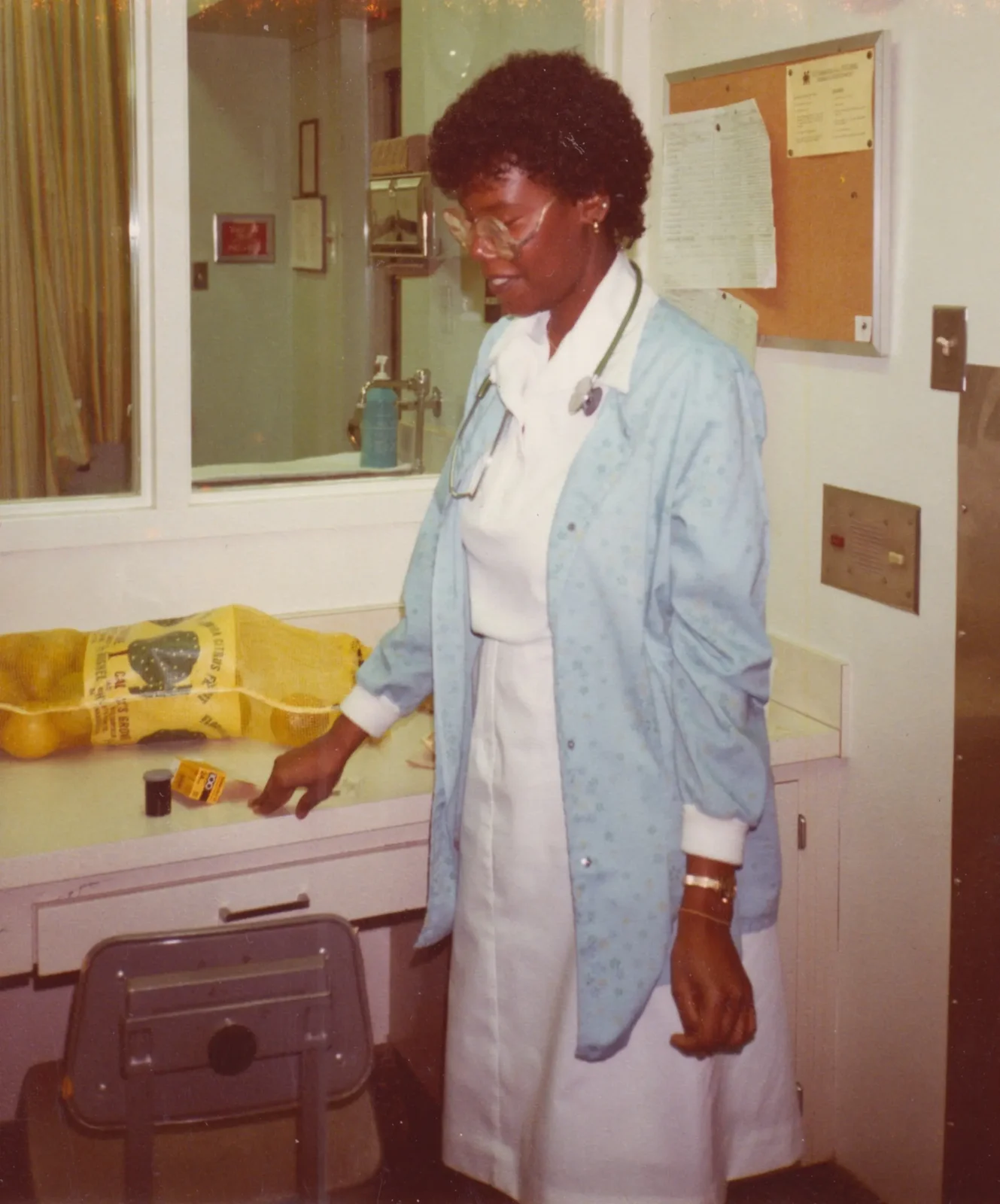
While her nursing journey eventually had global reach, she had a soft spot in her heart for the Midwest, spending most of her time in states bordering Lake Michigan. In a podcast interview from December 30, 2020, during the fourth year of her deanship, Dr. Scott spoke of her love for the region and its people, adding, “My mother would say that I wanted a degree from every university in Michigan. And now, she says that I’m trying to make my way around the lake.”
From the small city of Kalamazoo to Madison, Wisconsin where she became dean of a top-ranked nursing school at a revered R1 institution, Dr. Scott’s path saw her travel through many different roles in nursing practice, research, education, advocacy, policy, and leadership.
Her professional journey began where her childhood instincts had always pointed: clinical practice. After earning her bachelor of science degree in nursing from Michigan State University, Dr. Scott entered the workforce as a direct care nurse, caring for children and families during some of their most vulnerable moments. She worked in pediatric and cardiac care at Children’s Hospital Medical Center in Cincinnati, Ohio, and later in the post anesthesia care unit and pre surgical testing unit at Borgess Medical Center in Kalamazoo.
As her career in direct patient care evolved, she began to observe that nurses were shouldering heavy workloads. This observation prompted a line of inquiry that shaped the next chapter of her career. She wanted to know what systems supported or weakened the safety of care that nurses were providing, and how evidence could be used to not only highlight areas where these systems were under strain, but change them.
Pursuit of those questions led her back to the classroom. She completed her master of science in nursing with a focus in nursing administration and pediatrics from Grand Valley State University, then earned her PhD in nursing and health care systems at the University of Michigan. From there, she completed post-doctoral education through the National Institute of Nursing Research’s prestigious Nurse Scientist Development Program at the National Institutes of Health in 2000.
While pursuing her advanced degrees, she transitioned from bedside care into academia, beginning at Grand Valley State where she served in roles spanning from faculty, to program director, professor, and associate dean for graduate programs. She became a respected scholar and an effective academic leader. Her scholarship on nurse fatigue, work hours, and patient safety was beginning to gain national attention, while her mentorship of students and junior faculty was emerging as a defining hallmark of her leadership.
In 2012, Dr. Scott joined the University of Illinois at Chicago as associate dean for academic affairs, overseeing graduate and doctoral programs. There, she further refined her leadership style and was noted for her thoughtful approach to pedagogy and curriculum as well as being strategic, steady, and attentive to systems. She learned how to lead through administration, all while maintaining a focus on student success and academic excellence.
As she transitioned from one chapter of her career to the next, Dr. Scott added dimension, not distance, from her original calling to provide care at the bedside. Even decades after leaving direct patient care, nursing practice shaped how she managed decision-making, evaluated systems, and how she assessed the impact of policies on those people most affected by them. By the time Dr. Scott arrived in Madison in 2016 as the eighth dean of the University of Wisconsin–Madison School of Nursing, she brought with her a vision for the impact she could create through her leadership.
Leadership, Transformed
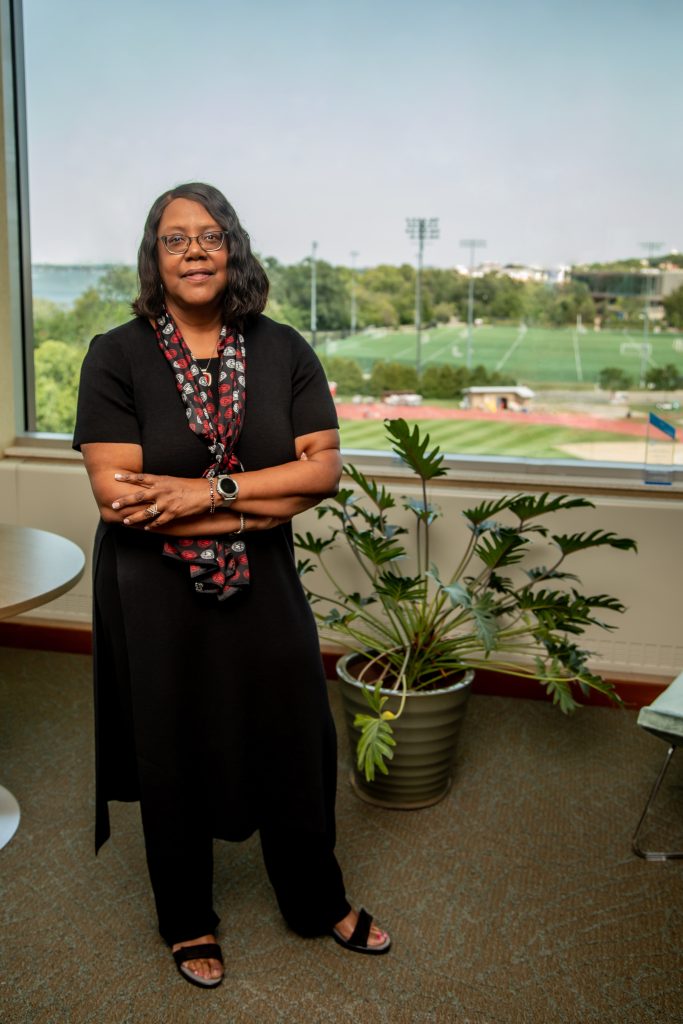
The University of Wisconsin–Madison shaped Dr. Scott just as much as she shaped it. Her brother Robert captured that during his speech at the celebration of her career. “Linda gave her best to this university because she believed in its promise,” he said. “UW energized her. It challenged her. It allowed her to boldly lead and to nurture future generations of nurses with the kind of excellence she believed the profession deserved.”
For Dr. Scott, serving as dean of the UW–Madison School of Nursing was what she often called her “destination position.” It was a place of purpose—where opportunity was abundant, leadership could be elevated, and the future of nursing and health care could be intentionally shaped. In this role, she leveraged her vision to influence the profession and advance health for all on a broader scale.
“One of the great gifts UW gave Linda was the bridge to leading on a national stage,” Robert added. “The university’s reputation, reach, and expectations for excellence aligned perfectly with her vision for advancing the profession. UW didn’t just support her leadership, it amplified it, allowing her to leave an imprint far beyond the borders of this campus.”
Her national influence was most visible through her service to the American Academy of Nursing (AAN), also referred to as the Academy. An Academy Fellow since 2008, Dr. Scott was long respected for her scholarship and leadership before being elected president-elect in 2021 and serving as president from 2023 to 2025. She led during a period marked by workforce shortages, burnout exacerbated by the COVID-19 pandemic, and inequitable health outcomes. It was also characterized by diminishing support for nursing research, the very science that underpins patient care and safety. She met these challenges directly, and with transparency.
During her presidency, Dr. Scott guided the Academy through a period of notable growth and change. She led the development of a new strategic plan grounded in member input, strengthening the organization’s position as a global leader in evidence-informed health policy. She advanced nursing science through initiatives such as the Science Adds Value for Everyone (SAVE) campaign, which elevated public and policymaker understanding of nursing research, strengthened federal advocacy efforts, and expanded strategic partnerships. She also repositioned the Academy’s scientific enterprise as AAN Science, reinforcing nursing’s role in interdisciplinary research, leadership, and science policy.
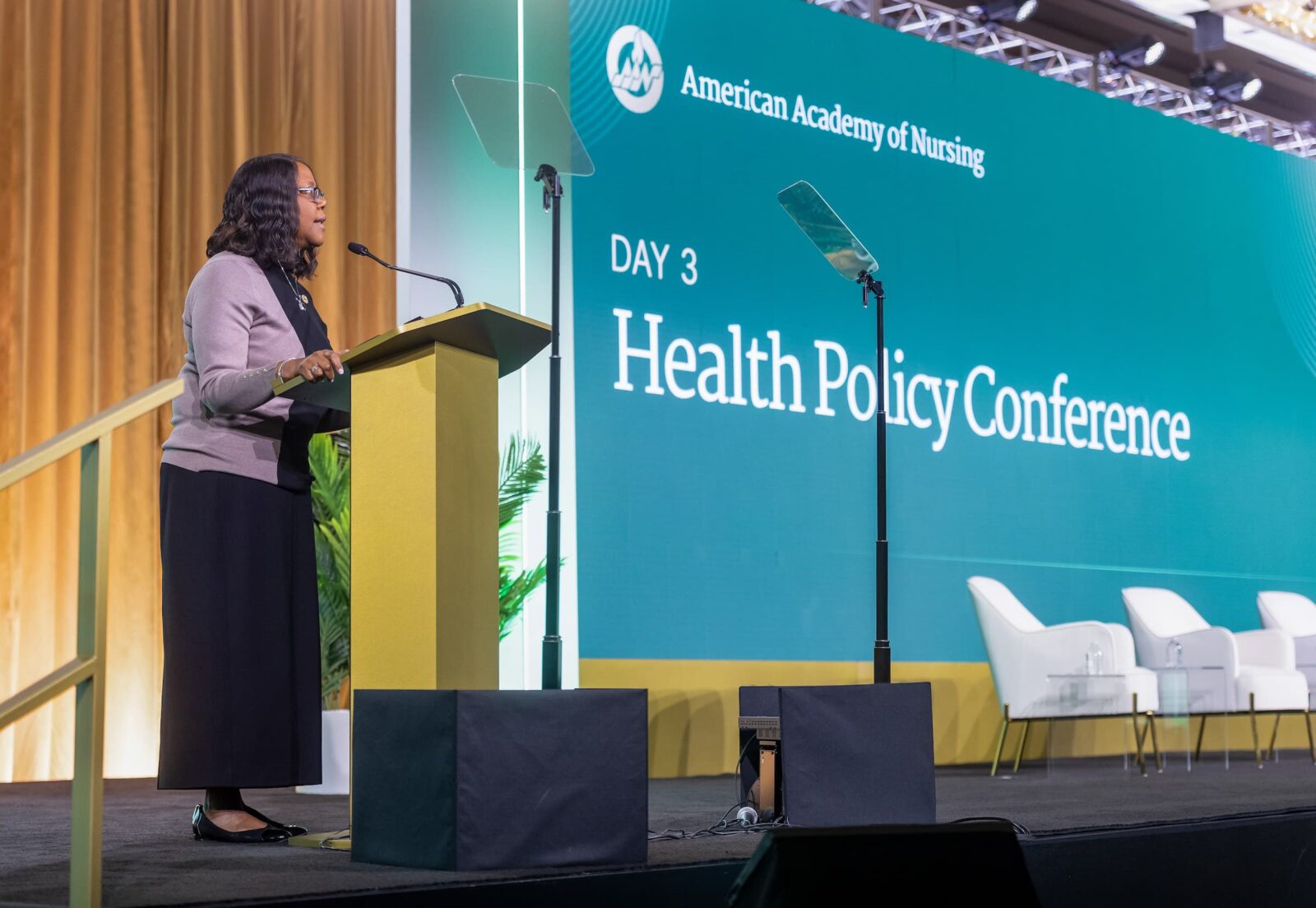
She championed leadership development within the profession by fostering meaningful member engagement, expanding opportunities for participation from Fellows, and securing long-term investment in nurse leaders by transitioning funding of the National Academy of Medicine fellowship from a term agreement to an endowment. Throughout her tenure, she maintained a strong commitment to health equity by supporting inclusive practices, strengthening diverse leadership pipelines, and ensuring the Academy remained responsive in a rapidly evolving policy environment.
In addition, Dr. Scott served in leadership roles across the profession, as well as various committees, panels, and boards for AAN, the American Association of Colleges of Nursing, and the American Association of Critical Care Nurses. She was the governor’s appointee on the Wisconsin Board of Nursing from 2021 through 2023. She also served on federal advisory boards such as the Agency for Healthcare Research and Quality, was a member of the Board of Health Care Services of the National Academies of Sciences, Engineering, and Medicine, and was a past board member of the International Network for Doctoral Education in Nursing. She contributed to the field’s scholarly discourse through her work with Nursing Outlook as both Associate Editor and editorial board member. These are only a handful of the professional organizations that benefited from her leadership.
Linda gave her best to this university because she believed in its promise. UW energized her. It challenged her. It allowed her to boldly lead and to nurture future generations of nurses with the kind of excellence she believed the profession deserved.
As her roles expanded, so did the range of her impact. “Dean Scott’s leadership and generosity touched lives far beyond her own community—even reaching us in Taiwan,” shared Cheryl Chia Hui Chen, DNSc, RN, GNP-BC, FAAN, director and professor at the National Taiwan University School of Nursing. “Under her leadership, even those of us far from the center—like our Fellows in Taiwan—felt welcomed and valued in the AAN community.”
While her national and international roles were not directly tied to UW–Madison, they were not entirely separate from her work as dean. They were a natural extension of it. Her work in health equity, workforce well-being, nurse leadership, and the role of nursing science in shaping health care were the same conversations she explored and encouraged at UW–Madison. She understood that leadership at the national level must translate into meaningful improvements in education, opportunity, and practice. At UW–Madison, she built partnerships across disciplines and communities to advance nursing education and research while preparing the next generation of nurse leaders.
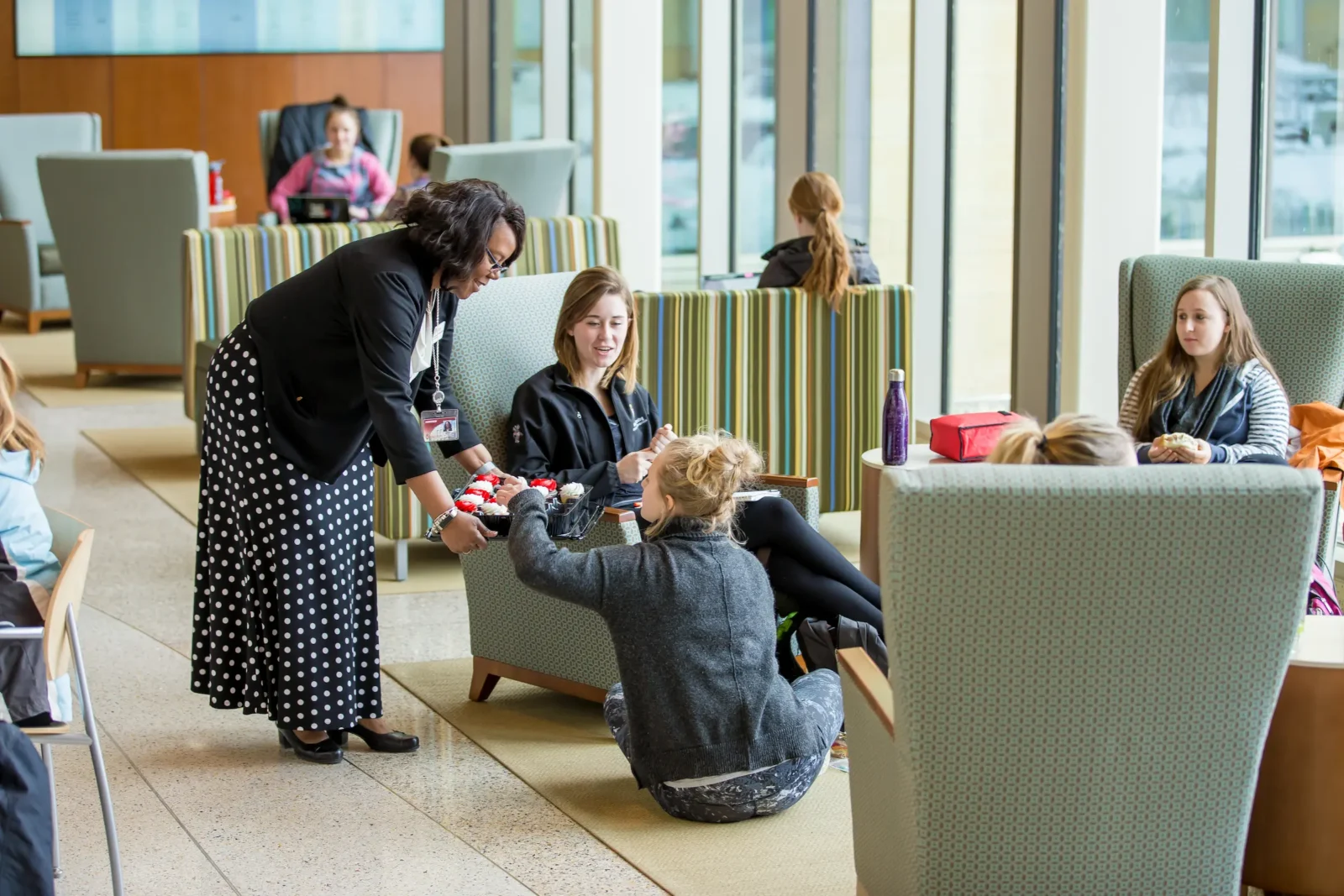
This approach made Dr. Scott a trusted voice in the School of Nursing and on campus, where she was respected by colleagues, fellow deans, and university leadership. Her leadership was forward-thinking yet reflective, and serious in purpose yet grounded in warmth and her signature dry humor.
Under her direction, the UW–Madison School of Nursing was strengthened in lasting ways. Its academic foundation was reinforced, its research enterprise expanded, and its trajectory set for continued success. Leading the School into its second century, Dr. Scott embraced not just the responsibility of stewardship, but the opportunity to position it for bold impact well into the future.
Though her influence had reach on a global scale, Dr. Scott’s impact at the School of Nursing remained foundational to her leadership story. It was there that her vision for advancing the profession came together, shaping the experiences and aspirations of its community.
Nursing Science, Transformed
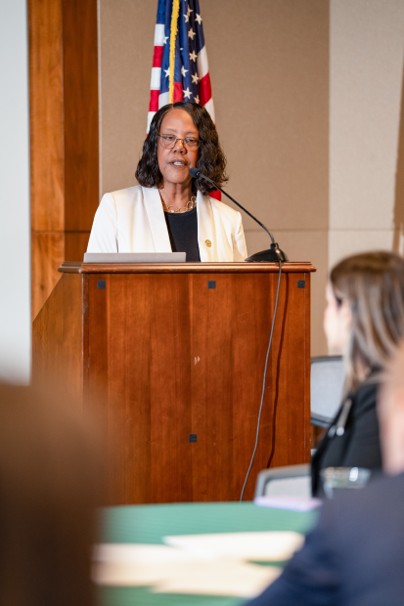
Some of the most defining initiativesduring Dr. Scott’s presidency of the American Academy of Nursing were focused on advancing nursing science and research.
Nursing science, often misunderstood or undervalued, is the foundation of how care is delivered at the bedside, in homes and schools, and across communities. Dr. Scott recognized that without sustained investment in nursing research, patient safety suffers, innovation stalls, and inequities widen. As a result, she launched the Science Adds Value for Everyone (SAVE), a national campaign designed to elevate the visibility and impact of nursing science. SAVE sought to make that connection unmistakable to policymakers and the public alike.
On July 22, 2025, the Academy co-hosted a briefing on Capitol Hill with the American Association of Colleges of Nursing, convening bipartisan Congressional staff from the House and Senate, as well as organizational stakeholders. Titled “Powered by Evidence: Quality Patient Care Requires Nursing Science,” the invited panelists demonstrated the direct link between federal funding for nursing science and training and how their work improves the lives of patients and communities.
“Nursing science builds the foundation of evidence that is used to update how care is provided to patients, advances innovation in technologies, and empowers patients and their families to make informed decisions,” Dr. Scott said during the briefing’s opening remarks. “Virtually all Americans will be cared for by a nurse at some point in their lives. That is why nursing science matters.”
Under her leadership, SAVE brought nurse scientists, patient advocates, and policymakers into the same conversation—hosting briefings, amplifying real-world research outcomes, and forging partnerships across the scientific and advocacy communities. The message was clear: nursing science is not ancillary to health care. It is essential to it.
She also transformed the Academy’s scientific enterprise from its original scientific initiative, the Council of the Advancement of Nursing Science (CANS), into AAN Science. For 25 years, CANS served as the Academy’s signature initiative solely dedicated to advancing better health through nursing science. It was specifically designed to serve the unique needs of nurse researchers. After much examination by the Academy’s Board of Directors on how the organization can expand its impact both within the nursing science community, and across the science and research enterprise, it was announced in October 2025 that the transition to AAN Science would take place to help the organization’s scientific pillar evolve to enhance nursing’s role in interdisciplinary research leadership and science policy.
Virtually all Americans will be cared for by a nurse at some point in their lives. That is why nursing science matters.
AAN Science envisions a bold new approach to address a rapidly evolving research climate and works to engage more purposefully with partners in the larger scientific enterprise. The evolution moves from a traditional membership model to that of a thought leadership body. AAN Chief Strategy Officer, Caroline Kane, wrote in a retrospective on Dr. Scott’s AAN impact, “Dr. Scott led the organization on a transformational step towards making a greater impact in science policy, progressing nurse scientists’ leadership, developing programming to provide timely, practical expertise, and further engage the Academy as a strategic partner with the broader science and patient advocacy community.”
Dr. Scott knew the importance of advancing health policy and practice through the generation, synthesis, and dissemination of nursing knowledge. Through establishing AAN Science, she led the organization on a transformational step towards making a greater impact in science policy, progressing nurse scientists’ leadership, developing programming to provide timely, practical expertise, and further establishing the Academy as a strategic partner with the broader science and patient advocacy community.
Community, Transformed
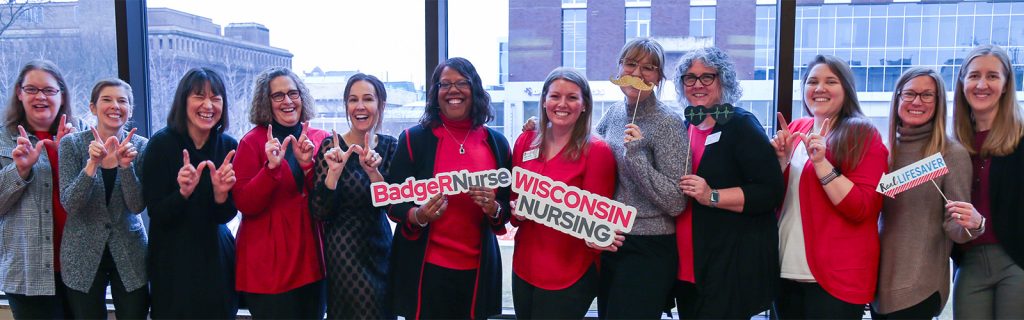
Dr. Scott led with an analytical mind but the heart of a nurse. It shaped how she guided organizations and institutions, championed the nursing profession, advocated for those around her, and prepared others to carry the work forward. She understood that transforming health care requires more than improving systems. It requires changing who is included, who is heard, and who is empowered to lead.
“Dr. Scott’s aim was to prompt meaningful progress in the big picture, but her focus was on the individuals who contribute to the big picture,” said School of Nursing colleague, Meredith Temple. “Her ability to fathom aggregate impact while still seeing individuals was, in my opinion, her superpower.”
That ability was most evident in her commitment to investing in people. She was exceptionally savvy about securing or leveraging resources to ensure strengths were not overlooked and potential for impact was realized.
As part of her efforts, she created pathways for rising scholars while actively mentoring those pursuing academic and research careers. “Her support for emerging nurse scholars was extraordinary,” said Jessica LeClair ’05, PhD’23, MPH, RN, assistant professor at the UW–Madison School of Nursing. “She created the postdoc-to-faculty program, which opened pathways and possibilities for so many of us. I was fortunate to be among those she lifted up.”
She made personal investments as well. Dr. Scott chaired dissertation committees, collaborated on research teams, and carved out time to guide developing scholars. Throughout her career, she was deeply committed to mentorship, including during her deanship. One of her mentees, Dora Clayton Jones, PhD, APRN-BC, FAAN, said, “Dr. Scott was a guiding light. She mentored me both formally and informally, and her presence shaped the way I show up in this work.”
Dean Scott demonstrated a genuine interest in individual achievements, whether in faculty scholarship, student accomplishments, or alumni milestones, and her mentorship extended across the entire academic community. I was continually inspired by her ability to balance strategic leadership with authentic, personal connection.
This commitment to others was rooted in family. Her brother Robert shared that his sister understood that success meant little if it could not be shared with those who shaped and supported you. “Family wasn’t just important to Linda,” he said. “It was the heart behind everything that she did.”
That belief rippled outward into the way Dr. Scott built community in the many spheres of her influence.
Throughout her career, she brought together close-knit personal and professional circles. She was gifted at aligning people around shared goals, high expectations, genuine interest, and mutual respect.
She modeled that foundation through listening deliberately and noticing who was in the room and who was missing. No matter their role, or where they came from, she remembered individuals and made them feel like they were an essential part of moving the work forward. “Dr. Scott made us feel seen, valued, and empowered,” added Clayton Jones.
Badger Nurse, Transformed
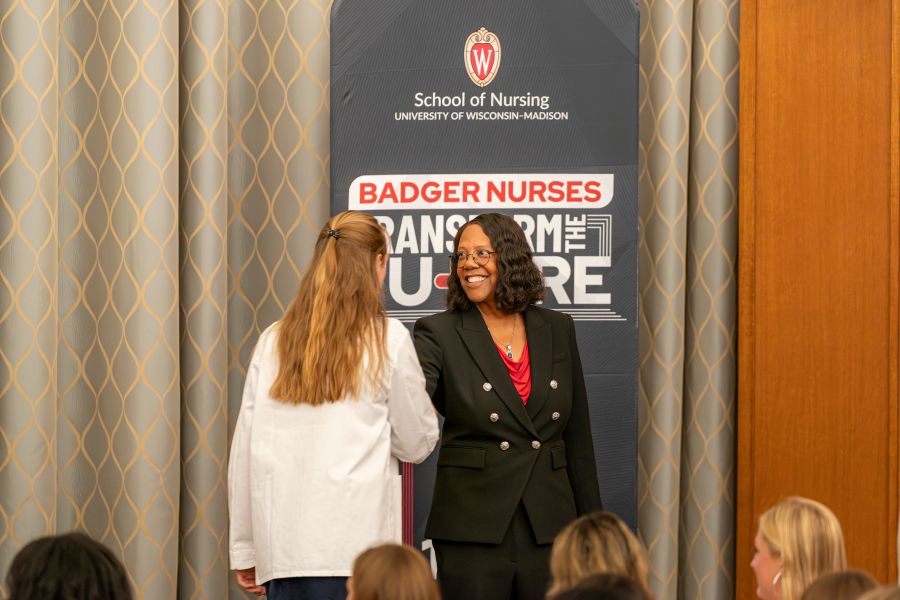
Educating nurses for the future of health care was a central aim of Dr. Scott’s deanship.
She regarded the role of dean as an extension of the impact she aspired to as a clinician, scientist, and educator. “As a nurse, my goal was to make a difference for patients and their families. As dean, my goal is to make a difference for my employees and students. If I think about every patient that our students touch, as students and then as graduates, and all the people our faculty touch through their research and scholarship, then I have the widest band of impact that a person could have.”
That perspective, shared in an interview in 2023, drove Dr. Scott’s efforts to advance the School’s mission and legacy. Thanks to Dr. Scott’s leadership and influence, students are prepared to pass the NCLEX and master clinical skills while developing the ability to think critically about systems, health equity, leadership, and their own responsibility to the profession. She wanted Badger nurses to leave UW–Madison with not just technical mastery, but clarity about their role in fulfilling the professional mandate.
Her brother Robert captured that vision at her celebration of career when he said, “Linda would speak often about the privilege of shaping a school that doesn’t just teach skills but cultivates values. She believed deeply in the power of a public university to open doors, to spark possibility, and to change lives.”
Students felt that belief in tangible ways. Under Dr. Scott’s leadership, the School of Nursing climbed to the top one percent of nursing schools nationwide on the U.S. News & World Report rankings, and remained the leader in nursing education in Wisconsin. The School also doubled the size of its tenure track faculty cohort despite a dire national nurse educator shortage, increasing the School’s research capacity and its ability to prepare the next generation of nurse leaders. Access to nursing education was broadened with the implementation of an accelerated BSN pathway, agreements to support the RN-to-BSN pathway, and new tracks added to the Doctor of Nursing Practice degree program.
Those structural achievements mattered. It was present in the programs she championed, the pathways she expanded, and the culture she fostered. But it was also present in small, human moments. For students, what mattered most was the environment they experienced: one that encouraged excellence and fostered belonging.
“Dean Scott had a way of making everyone she met feel like a friend,” said Abby Hammes, PhD’23, RN. “You always knew she was there for you, cheering you on—and as a graduate student, that meant the world. She was an exceptional leader, nurse, and human being, and I feel privileged to have been a student during her tenure.”
This unique level of care was appreciated and respected by students. “It is rare for a dean to be so involved with, and adored by, their students,” shared Marion Sterk Ciresi ’26. “The collective mourning the student body feels is a testament to her immeasurable impact.”
Dr. Scott’s influence did not end once a student graduated. As Badger nurses enter the workforce, they carry forward the expectations she set: that nurses speak up, use evidence, advocate for patients, and understand their role in shaping systems of care. Years from now, her impact will still be visible in the Badger nurses leading units and clinics, influencing policy, advancing research, serving communities, mentoring the next generation of nurses, and leading the way in connecting health equity to excellence. One Badger nurse at a time, Dr. Scott helped shape the future of health care.
Workforce, Transformed
Through her research on nursing workforce challenges, Dr. Scott’s influence also impacted nurses practicing in direct patient care. As a nurse scientist, she made groundbreaking contributions to the understanding of nurse fatigue, sleep deprivation, and the profound effects both have on patient safety and workforce well-being.
Her research re-framed what many had accepted as the cost of the profession. At a time when long shifts, inadequate recovery time, and normalized exhaustion were often seen as inevitable, Dr. Scott’s studies informed staffing policies, including the American Nurses Association’s position on nurse fatigue.
Dr. Scott led some of the earliest intervention studies aimed at reducing fatigue and its consequences, including the first national quantitative study of nurses’ work hours. It produced undeniable data on how fatigue compromises clinical decision making, increases the likelihood of error, and places both patients and nurses at risk. Her work illuminated the human factors embedded in health care systems, and how staffing patterns, scheduling, and health care culture directly affect safety and outcomes. Over the course of her career, she authored, and co-authored, more than 100 scholarly publications, shaping national discourse and informing staffing policies, fatigue management strategies, and workplace protections.
This was critical foundational work for interdisciplinary researchers on an international scale. Scientists worldwide have since built on her ideas to develop fatigue risk management systems for nursing, and more recently, structured methods to address well-being more holistically.
Her findings influenced national and international recommendations and position statements, including those that elevated fatigue as a patient safety issue, not simply a workforce concern. She demonstrated that addressing nurse well-being was inseparable from improving quality of care.
Dr. Scott saw workforce transformation through a broader lens that encompassed public health, systems leadership, and interprofessional collaboration. Her influence helped shape policy, programs, and partnerships that address workforce gaps across settings. Her scholarship became foundational for subsequent research, not just in nursing, but in human factors engineering and systems design. These fields continue to build upon the questions she was among the first to ask.
Unprecedented Times, Transformed
Moments of crisis have a way of distilling leadership down to its essence. For Dr. Scott, there was no bigger moment than the COVID-19 pandemic. Four years into her deanship, she faced one of the biggest challenges of her career.
As health systems strained under unprecedented pressure and universities across the nation scrambled to adapt, nursing education found itself at the epicenter of uncertainty and urgency. Clinical sites closed to students. Guidance was constantly shifting course. The stakes were high, not just for preserving academic continuity, but for the future nursing workforce at a moment when it was needed most.
“You learn a lot about a person by watching them make decisions when the stakes are high,” recalled Nancy Michalski ’82, RN, at a celebration of career event for Dr. Scott. “She made them with clarity, with heart, and with courage. She led the School through COVID-19 when every answer was temporary, and every day brought a new crisis. She never wavered. She listened. She steadied people. And she made it all look possible.”
On paper, the easy choice would have been to pause experiential learning, send students home, and wait for stability before returning to Cooper Hall. But, Dr. Scott was unwilling to forfeit the learning experiences that would prepare nursing students to safely enter the workforce.
As UW–Madison leaders made the difficult decision to halt most in-person learning, Dr. Scott assertively, yet strategically, advocated for a critical exception: nursing students needed access to Signe Skott Cooper Hall and its simulation spaces. She argued that Cooper Hall offered the highest possible fidelity to clinical learning under the circumstances, allowing students to continue skill acquisition and experiential education safely and responsibly.
Her case was not rooted in institutional preference. It was rooted in professional obligation and public good.
She emphasized to campus leaders the direct connection between lost experiential learning opportunities, and the impact it would have on patients. She re-framed the conversation for them: this was not simply about academic accommodation, it was about preparedness, safety, and the ethical responsibility of nursing education. She was persistent in her advocacy for the needs of students.
That persistence mattered. The School of Nursing was allowed to hold classes in-person in Cooper Hall and continue skill development during that critical period. Maintaining continuity in instruction and progression allowed the School and its students to avoid many of the disruptions faced elsewhere.
Scott and the School’s executive leadership team balanced concerns for student health and well-being with the uncompromising standards required to graduate practice-ready nurses. Faculty and staff engaged in extraordinary innovations, crafting realistic clinical experiences, re-imagining instruction, and building new systems in record time. The work was intense, exhausting, and draining. But it was successful.
“An incredible amount of innovative and creative thinking was put into the planning for in-person experiential learning,” Scott proudly stated in a 2023 interview. “Student learning was a true partnership between students, faculty, and staff. I would never again want to ask for what was demanded from our School community, but I am proud of the persistence shown by all.”
For Dr. Scott, this was not simply a point of pride, it was a reflection of principle. She often cited the pandemic as one of the moments that most clearly demonstrated the character of the School of Nursing community and the power of collective leadership when anchored in shared purpose.
Health Equity, Transformed
For Dr. Scott, improving health for all was integral to the nursing profession’s mission. Her leadership reflected a deep understanding of how systemic inequities perpetuate poor health outcomes, and how nursing, grounded in science and compassion, can improve those systems to affect change. Health equity was not a trend or a talking point. It was a means to address the moral demands that nurses are ethically bound to uphold.
“We all strive to meet the most pressing issues of our time,” she reflected in a 2023 interview. “We all hold that vision of truly transforming health care and extending health equity.”
Her commitment to equity was shaped early by personal experience. She understood deeply what it meant to be told you did not belong in certain spaces. She also understood the power of someone standing firm and saying otherwise.
That understanding and personal experience stayed with her and shaped how she showed up every day. “Dean Scott was a leader who understood the moral demands of our time,” said Dr. LeClair. “Her commitment to health equity and inclusive excellence guided her decisions, her priorities, and the way she showed up for students, staff, and faculty.”
Her leadership made clear a core conviction that a diverse nursing workforce that reflects the communities it serves is a necessity for improving health outcomes.
During her tenure, health equity became foundational to the mission of the School of Nursing. Inclusive excellence was elevated as a central pillar of the School’s strategic framework. She invested in and secured resources for student success initiatives for all students which were designed to reduce barriers to progression and graduation.
Her vision of health equity was focused on the future of nursing and health care. Before it was part of the mainstream conversation, Dr. Scott was articulating how environmental factors and population well-being are inseparable. “She recognized that planetary health, social justice, and nursing are inseparable,” said LeClair. “Long before it became widely discussed within our field, she championed this work and encouraged others to lead boldly in it.”
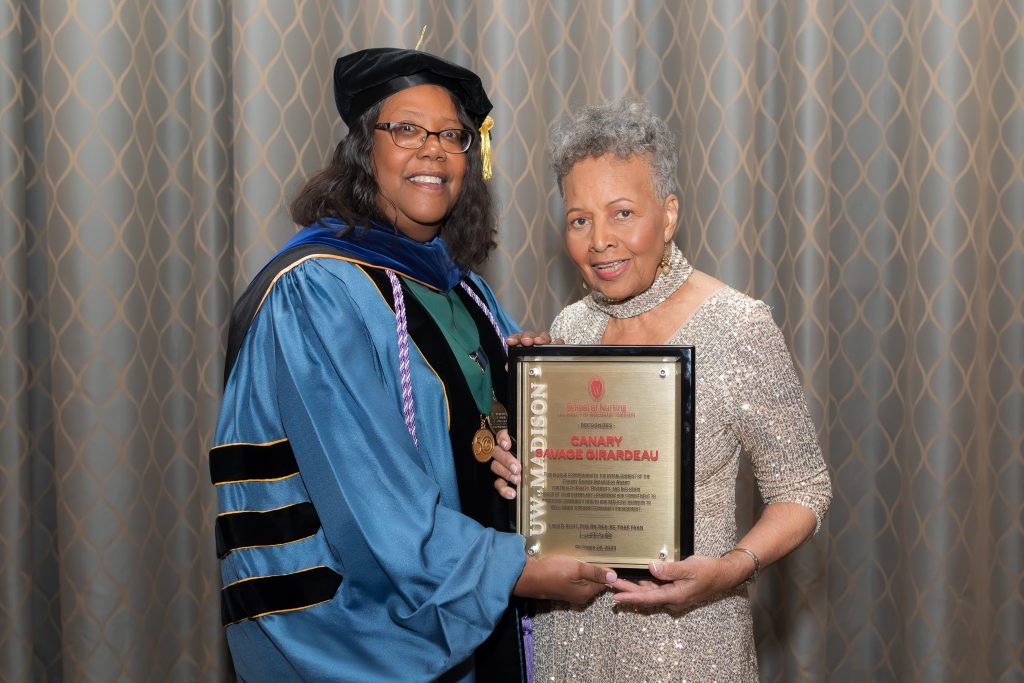
For her impact and life’s work in addressing health equity, it was announced on April 30, 2026 that Dr. Scott was named the recipient of the 2026 Canary Savage Girardeau Award For Health Equity, Diversity, and Inclusion by the UW–Madison School of Nursing, an award she imagined and established during her deanship. Her posthumous selection for the award recognizes her lifetime of leadership, advocacy, and transformative impact on nursing education, research, practice, and policy.
“Dean Emerit Scott’s life and legacy of commitment to health equity and diversity in nursing, and her leadership toward a culture of inclusive excellence in nursing education and research are perfectly aligned with the intent of the Canary Savage Girardeau Award,” said Interim Dean Susan Zahner, DrPH, RN, FAAN. “Her principled valuing of inclusive excellence and health equity will guide the School for decades to come.”
Impact, Transformed
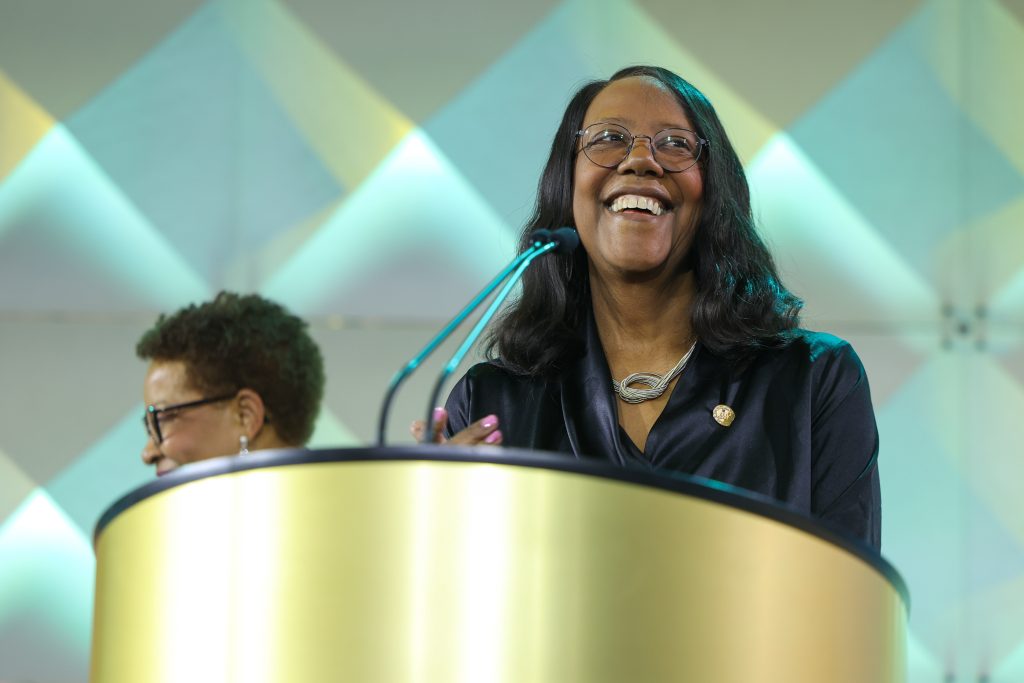
In her Dean’s Letter from the spring 2020 issue of ForwardNursing magazine (Volume 6, Issue 1), Dr. Scott wrote, “As nurse leaders and innovators, we are committed to finding a way—often, finding new ways—to improve the health of all people in Wisconsin and beyond. Educating our students for the future of care means preparing them to address health challenges where unique barriers exist, including in rural communities.”
She continued, “True to the Wisconsin Idea and the ideals of nursing, our role and presence across the state enable us to collaborate with organizations, clinics, and entire communities to address health challenges. I am deeply motivated by the opportunity we have at the School of Nursing to educate nurses who are uniquely equipped to change lives by forging paths to better health and delivery of care.”
Dr. Scott’s work as dean reflected the Wisconsin Idea as a call to action to meet the needs of communities beyond the boundaries of campus. During her tenure, she championed new pathways designed to expand access to nursing education while addressing critical workforce needs across the state.
“Dean Scott celebrated the rural connection and partnerships with a variety of rural organizations within the UW educational reach,” recalled Jennifer Fiegel Newlon, DNP, PMHNP-BC, APNP, clinical associate professor at the School of Nursing. “Whether organizational or individual, Dean Scott promoted inclusion, education, and connection to further the mission of nursing.”
Dr. Scott advanced initiatives in not only rural health care but public health by fostering immersive learning opportunities, listening closely to community and workforce needs, and championing solutions that bridged education, policy, and partnership. She emphasized the importance of preparing students and early-career public health professionals to understand and address care delivery challenges beyond urban settings, while also supporting scalable programs like the New to Public Health Residency Program which was developed to strengthen public health systems. Through her leadership, she helped build pathways that strengthen workforce development, expand access to resources, and create lasting impact on population health at both state and national levels.
Her leadership reflected synthesis rather than silos. Education supported workforce. Research informed policy. Partnerships strengthened practice. Students were prepared not only to enter the workforce, but to improve it. Through her lasting influence, the UW–Madison School of Nursing prepares leaders who will innovate and transform the future of health care.
Reflections from Those Who Knew Her
“I have long been inspired by her leadership, her dedication to excellence, and her belief in the transformative power of nursing. As I reflect on her life, I feel deeply that she has passed the baton to all of us who follow in her footsteps. It is now our responsibility and our honor to continue the work she championed, to uplift the profession she loved, and to lead with the same integrity and courage she modeled every day.”
– Dr. Michael L. Jones, PhD, MBA/HCM, RN, FAAN
Associate Dean for Culture, Engagement, and Professional Development, East Carolina University College of Nursing
“One of my favorite things about Dean Scott was her humility and the ease with which you could talk to her about anything, despite her impressive credentials and leadership. She truly listened to others and their ideas, which made her an exceptional educator, leader, and nurse.”
– Emily Schumacher ’10, DNP’18, RN, UW–Madison Nurses Alumni Organization Treasurer
“Dr. Scott was a role model for the nursing profession, stretching from the well-established to aspiring nursing students. She was a leader in policy, practice, and academia, and her passion for and commitment to professional nursing was immeasurable.”
– Gina Dennik-Champion, MSN, RN, MSHA, Chief Executive Officer, Wisconsin Nurses Association
“Linda was a fierce advocate for nurses, shaping generations of leaders and championing innovative approaches to nursing education and practice. She embodied a spirit of collaborative leadership and purpose that truly moved the profession forward. She leaves an indelible mark, and her legacy of excellence will continue to inspire us all to lead with both head and heart.”
– Connie Delaney, PhD, RN, FAAN, FACMI, FNAP, Professor and Dean, University of Minnesota School of Nursing
“Dr. Linda Scott’s leadership for the nursing profession will be deeply missed. Her gracious concern for all, advocacy for students, promotion of excellence in programs, and enhancement of diversity will continue to have an impact. Her positive spirit and sense of humor made all feel comfortable. This loss is profound”
– Judith Fitzgerald Miller ’66, PhD, RN, FAAN, Dean Emerita and Professor, University of Missouri Sinclair School of Nursing
“Canadian Black Nursing Faculty members are deeply grateful to Dr. Scott for her exceptional mentorship and leadership. In March 2024, she delivered an engaging and thoughtful presentation on leadership to Black faculty members across Canada, inspiring many to strive for excellence. Her passing is a profound loss. Dr. Scott’s impact lives on, resonating not only nationally but internationally, and she will be remembered with deep respect and gratitude.”
– Dr. Bukola Salami, University of Calgary, Alberta Canada, and Dr. Esther Monari, Memorial University, Canada, on behalf of the Black Nursing Faculty Group in Canada
More tributes and photos of Dr. Scott and those she impacted can be found on this page.
Legacy, Transformed
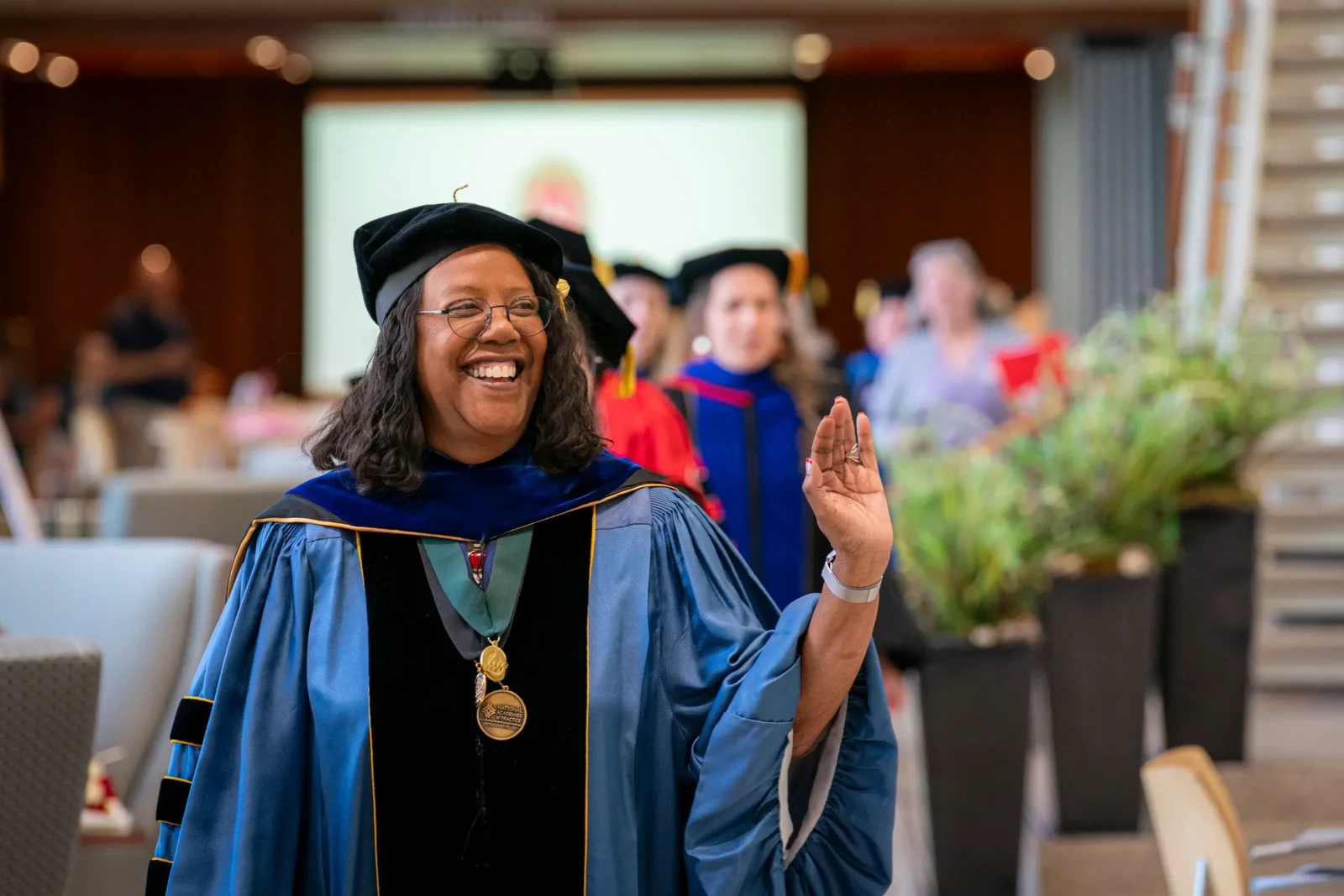
During her tenure as the eighth dean of the UW–Madison School of Nursing from 2016 to 2025, Dr. Linda D. Scott did far more than steward it as an academic unit within a well-respected university. She positioned the school to advance the nursing profession itself, building on its strengths to maximize its impact on health outcomes through research, education, practice, policy, and advocacy.
Her leadership elevated nursing education, expanded the reach and influence of nursing science, and ensured that the voices of nurses, as well as the patients and communities they serve, are present where decisions are made. Remarkably, her impact was also deeply human. It was felt in the students who found confidence, the scholars who found opportunity, and the colleagues who found themselves supported, challenged, and seen.
Dr. Scott believed deeply in the transformative power of nursing. She believed that each nurse, especially Badger nurses, could do their part to ensure that the benefits of health and well-being were equally accessible to all people. That belief was not abstract. It shaped every decision she made, every system she challenged, and every person she mentored.
“What made her extraordinary,” her brother Robert reflected, “was not just her clinical expertise or her academic leadership—though she had both in abundance. It was her belief that nursing was a powerful force for justice and for humanity. When nurses step into a room, they meet people at their most vulnerable moment. Linda took that responsibility seriously. She viewed it as sacred.”
That sense of responsibility defined her legacy. Not as a compilation of accomplishments, though those are many, but as a commitment to collective advancement. The science she advanced, the policies she influenced, and the systems she helped shape were all grounded in a singular purpose: to improve health for all people.
Yet, she understood that legacy does not live in systems alone. It lives in the actions of the people who help advance the work every day.
It lives in the student who enters a patient’s room with confidence earned through rigorous but thoughtful preparation. It lives in the nurse who speaks up for safer systems because evidence, and courage, demand it. It lives in the faculty member who mentors the next generation with the same commitment shown to them. It lives in the leaders she helped elevate, and the people she motivated to strive for excellence. It lives in communities across Wisconsin and beyond, where Badger nurses help advance the work every day.
“Dean Scott’s legacy endures through the countless lives she influenced with her leadership, mentorship, advocacy, and scholarship,” said former School of Nursing faculty member Theresa Dachel, DNP’18, MS’05, RN, APNP, AGPCNP-BC. “As we move forward, we carry her spirit, her steadfast commitment to health equity, and her vision of inclusive excellence in nursing.”
In her final dean’s corner letter to the School of Nursing community in the fall 2025 ForwardNursing magazine (Volume 11, Issue 2), Dr. Scott reflected on the idea that had come to define her leadership: doing one’s part in one’s time.
“I am humbled to consider that the decade in which I have served as dean is a segment in a more expansive timeline of impact that neither begins nor ends with me,” she wrote. “The belief that I am a part of our legacy is not reserved for me as dean. It is a sense of belonging and pride that every Badger nurse, partner, and friend should feel about their contributions, too.”
That perspective may be her greatest gift.
Because of Dr. Scott, countless others are prepared to do their part: to lead with integrity, to ground decisions in evidence, to challenge inequities, and to recognize the profound responsibility and privilege of the nursing profession. The community she built lives on in those who now carry her values and vision forward. Her influence will continue to ripple outward, shaping education, research, practice, and policy.
Perhaps that is the truest measure of Dr. Scott’s legacy: not only what she transformed, but how many she prepared to carry on and continue the work.
The future of nursing is stronger because Dr. Scott had a vision and believed it could be. And stronger still because she ensured others would believe it, too.
Through them, through you, through us, her transformative work continues.