Where are they now? Alumni feature: Autumn Henze ’15
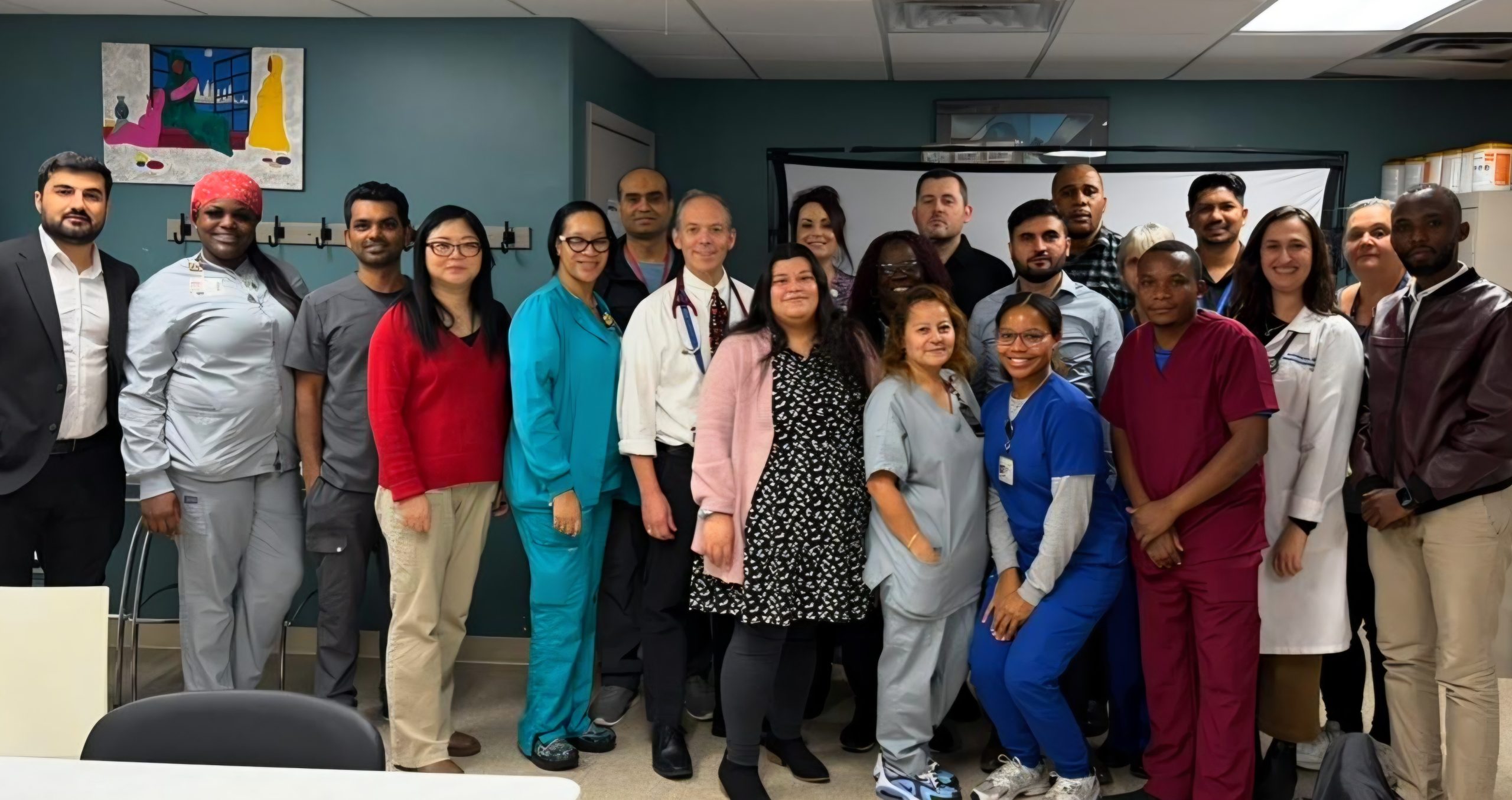
All photos courtesy of Autumn Henze
Graduation Information: I graduated from UW–Madison in May 2015 with my bachelor’s in nursing (BSN). I went on to attend the University of Illinois at Chicago (UIC) for my doctor of nursing practice (DNP) with a focus on psychiatric care across the lifespan. Board Certified in January 2021, I have full practice authority as an APRN and hold controlled medication licensing in Illinois.
Current location: Humboldt Park Neighborhood, Chicago, IL
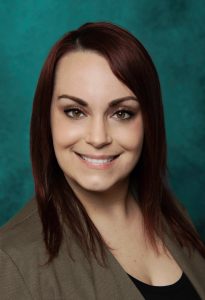
Where do you consider home? Where do you currently reside?
After ten years of living in Chicago, this feels like home and I am glad that I took the risk to move. I am from a rural area of Wisconsin, so it did take an adjustment period to get used to it, but I’ve always been drawn to cities, diversity, and a faster pace of life. My education in Wisconsin taught me about the needs of many populations, both rural and urban, so I think it has been an excellent start to my nursing career. My current neighborhood is known to have a large Puerto Rican population but overall is quite diverse. I’ve been in this neighborhood since 2018 and appreciate the cultural aspects, music, and celebrations that go on for much of the year. My work at a refugee clinic is also within walking distance, so this has been an ideal location.
Why did you choose the UW–Madison School of Nursing?
I originally lived in Milwaukee and knew that UW–Madison had a highly rated nursing program. I moved to Madison in 2012 and was thankfully admitted to the program on my first attempt. My clinicals helped me understand the needs of different populations within the health care system, especially within my area of interest — mental health. I passed my Illinois state registered nursing (RN) boards on the first attempt and felt the program at UW–Madison gave me the base of knowledge I needed to start as an RN and begin working within two months of graduation.
What was your journey into nursing and what is your current role?
Chicago has provided me with a wide variety of nursing experiences that I am thankful for. I began in a highly acute inpatient psychiatric setting on the Westside of Chicago with roughly two-to-three weeks of orientation. I was then in charge of twenty-to-thirty patients depending on the age group, starting with pediatrics and adolescent care and would float to the adult unit often. Although I was nervous, I still felt that I knew resources to look up information I did not know and allowed myself to adjust to workflow. I worked at this job as a medication nurse and then charge nurse until 2020 after finishing my DNP program and passing APRN boards in psychiatry.
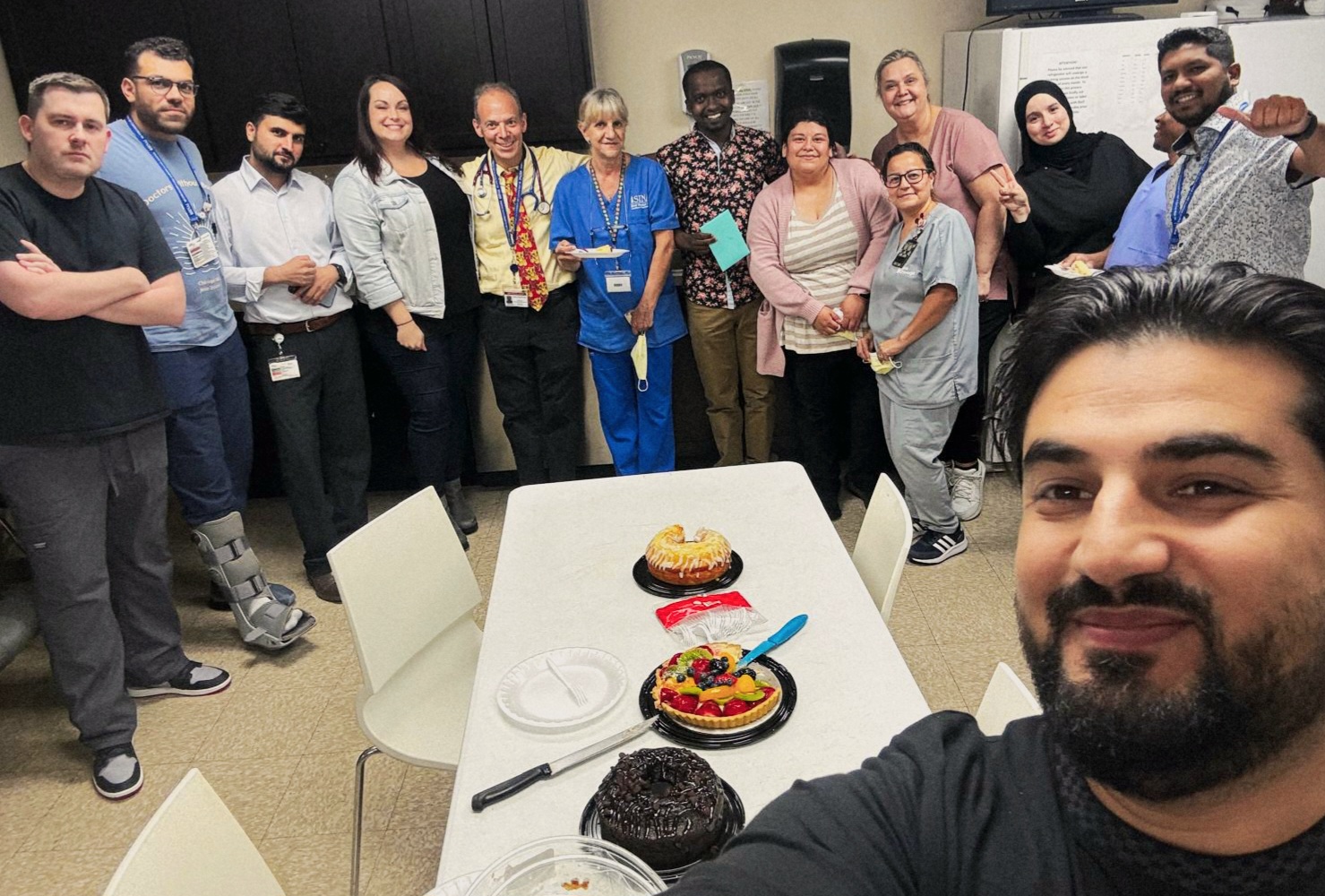
I currently work at Sinai Health specializing in refugee care with an emphasis on populations from Afghanistan, Burma (now Myanmar), which are mostly fleeing from the Rohingyan genocide, Syria, and a variety of Central and South American patients. I see all ages and roughly thirty percent of my caseload is U.S.-born citizens from my own local neighborhood. For two years, I was the only mental-health provider working with the medical team to prepare refugees for green cards and to help them process the significant cultural change and trauma that brought them to the U.S. I still cover the inpatient psychiatric unit on weekends and do twenty-four-hour, overnight, on-call shifts to determine the need for psych admit decisions in the emergency department. I treat substance use disorders as well as provide medication assisted treatment, and feel comfortable with the needs of all ages. In addition, I precept nurse practitioner and physician assistant students on a rotating basis.
What’s the most rewarding part of being a nurse or within your current role?
I enjoy the refugee population for their resilience and appreciation of someone caring for them or simply listening to their story. I’ve built close relationships with the Afghan and Rohingya populations and the residents of my local neighborhood through my work and with the help of my talented coworkers, many of which are former refugees themselves. The needs of the refugee population are extremely unique, and interpreting how they express their struggles within their cultural context took time. I enjoy hearing about the lives of people around the world, including their tremendous hardships, along with their culture, language, and religion. It has made me appreciate being a reliable resource of information and support for these populations, and to see them move past their trauma into a new life is rewarding.
What advice would you give to current nursing students or individuals who are considering teaching or instructing?
I taught undergraduate and graduate mental health classes at UIC for two years, and two semesters of general health assessment. I’ve always enjoyed training, teaching, and precepting students because it helps me to keep current on medications and literature. I taught fairly large mental health classes at UIC (over one hundred students). I felt like I was able to emphasize that psychiatric conditions will be in every part of nursing, so learning how to communicate or de-escalate effectively will benefit you in any specialty. I still speak with some of my students years after they graduated.
Is there anyone from the School of Nursing who had or continues to have an impact on your nursing journey? If so, how and why?
Unfortunately, I do not remember the names of the direct team members, but my clinical rotation in a rural county mental health program has always stuck with me. It was near Baraboo, Wisconsin, in Sauk County. I admired the team for their patience and the quality of care they provided for a very sick and often difficult population. Most patients enrolled in the program had significant mental health concerns and were court ordered to take medications. Without the support of this team, they would have been left with very little access to care and likely a worse quality of life. That experience highlighted the needs of rural populations, and the impact a caring team can have has always stuck with me. I try to take this mentality with me into my work, and my current clinic reflects this same quality.
Is there anything else you would like to share?
I hope this highlights the variety of experiences in nursing, even within just one specialty, and how important it is to consider a patient’s mental health. You will be well prepared after the UW–Madison BSN program, and I encourage anyone with questions about the mental health care system to reach out to me. Good luck to everyone!